Why Buy a Used Sewing Machine?
Quality sewing machines from brands like Bernina, Juki, and vintage Singers are mechanical workhorses built to last generations. Many vintage machines are still going strong after 50+ years of use. Unlike modern electronics, a well-maintained mechanical sewing machine can be serviced and repaired indefinitely.
Recommended Products
Based on our research, here are some top sewing machine picks:
Brother CS7000X Computerized Sewing and Quilting Machine -
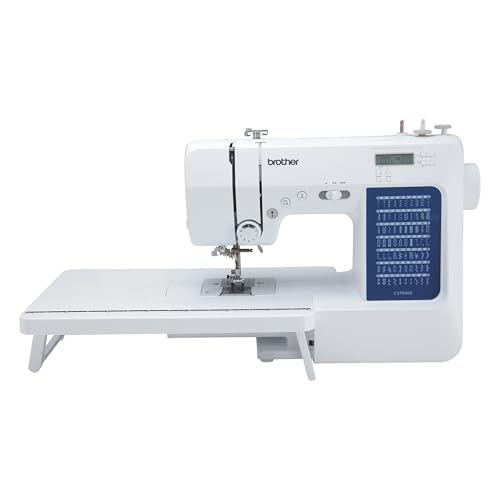
under $500 on Amazon
Janome JW8100 Computerized Sewing Machine -

under $500 on Amazon
Singer Heavy Duty 4411 Sewing Machine -

under $250 on Amazon
As an Amazon Associate, we earn from qualifying purchases.
A new Bernina costs $2,000-$10,000+ depending on features, while excellent used models sell for 40-60% of retail. Even high-end computerized machines like the Brother Luminaire can be found used at substantial discounts. For beginners, a used quality machine often outperforms a new budget machine.
This guide teaches you how to evaluate motor condition, test stitch quality, check tension mechanisms, and assess overall mechanical condition. Whether you need a reliable workhorse for garment sewing or a feature-rich machine for quilting, proper testing ensures years of quality stitching.
Bring Supplies: Always bring your own thread (quality thread like Gutermann), a variety of fabric scraps (cotton, denim, stretchy knit), and universal needles. Testing with your own supplies ensures consistent evaluation.
Understanding Sewing Machine Types
Mechanical Sewing Machines
Traditional machines with manual controls and fewer electronic parts.
- • Simple, reliable operation
- • Easier and cheaper to repair
- • Manual stitch selection and adjustment
- • Excellent for beginners and basic sewing
- • Vintage machines often all-metal construction
Computerized Sewing Machines
Modern machines with digital displays and programmable features.
- • Hundreds of built-in stitches
- • Automatic features (threading, tension, buttonhole)
- • USB/WiFi for design downloads
- • More complex and expensive repairs
- • May have obsolescence issues
Serger/Overlock Machines
Specialized machines for professional edge finishing and stretchy fabrics.
- • 3-5 thread operation
- • Cuts, sews, and finishes in one pass
- • Essential for knit fabrics
- • More complex threading
- • Complements regular sewing machine
Embroidery Machines
Specialized machines for decorative stitching and designs.
- • Hoop system for holding fabric
- • Built-in and downloadable designs
- • Often combined with sewing functions
- • Large file format considerations
- • Complex calibration requirements
Motor and Electrical Testing
The motor is the heart of any electric sewing machine. Motor problems can be expensive to repair, especially on computerized machines. Test thoroughly before purchasing.
Motor Operation Test
- Cold start: Machine should start immediately without hesitation when you press the foot pedal.
- Speed control: Motor speed should vary smoothly with pedal pressure. Jerky or inconsistent response indicates problems.
- Running sounds: Listen for smooth operation. Grinding, buzzing, or unusual noises indicate wear.
- Heat test: Run at medium speed for 5 minutes. Excessive heat from motor housing indicates problems.
Electrical Safety Check
- Inspect power cord for cracks, exposed wires, or damage
- Check foot pedal cord condition
- Look for burn marks or melted plastic around motor area
- Verify all lights work (main light, accessory lights)
- Test power switch operation—should be firm and positive
Safety First: Frayed cords and damaged plugs are fire hazards. These can be replaced inexpensively ($20-$50), but factor the cost and inconvenience into your decision.
Stitch Quality Testing
Stitch quality reveals the overall condition of the machine's timing, tension, and mechanical components. Test on multiple fabric types to fully evaluate performance.
Basic Stitch Test
- Straight stitch: Should be perfectly straight with even spacing. Stitches should look identical on both sides of fabric.
- Zigzag: Points should be sharp and consistent. Width and density settings should adjust properly.
- Decorative stitches: Test several built-in stitches for proper formation.
- Backstitching: Reverse should engage smoothly; stitches should align with forward stitches.
Multi-Fabric Testing
Light Fabrics
- • Use fine thread and small needle
- • Should not pucker fabric
- • Feed evenly without bunching
- • Test: Cotton voile, silk
Heavy Fabrics
- • Should handle multiple layers
- • Motor doesn't strain or slow
- • Needle penetrates smoothly
- • Test: Denim, canvas, upholstery
Problem Indicators
- Skipped stitches = timing issues, bent needle, or worn hook
- Loops on bottom = upper tension problem or threading error
- Loops on top = bobbin tension or bobbin case issues
- Puckered fabric = incorrect tension or wrong needle/thread combo
- Bird's nest underneath = incorrect threading or timing problem
Tension System Evaluation
Proper tension is essential for quality stitches. Both upper thread tension and bobbin tension must work together. Problems here are common on neglected machines.
Upper Tension Test
- Tension dial should turn smoothly with distinct click at each number
- Thread should pull through with consistent resistance
- Low numbers = loose tension; high numbers = tight tension
- Mid-range settings (4-5) should produce balanced stitches on medium fabric
Bobbin Tension Check
- Drop test: Hold bobbin case by thread. It should drop slowly when jerked, not free-fall or stay put.
- Case condition: Inspect for cracks, nicks, or burrs that could snag thread.
- Spring tension: Bobbin spring should provide consistent resistance.
- Adjust screw: Tension screw should turn smoothly if adjustment needed.
Balanced Stitch Test
Use contrasting thread colors in top and bobbin:
- Stitches should lock exactly at fabric center
- Top color should not show on bottom (and vice versa)
- Adjust tension and retest until balanced
- If balance cannot be achieved, timing or mechanical issues exist
Mechanical Component Testing
Mechanical components require regular maintenance. Neglected machines may have significant issues. Check all moving parts and mechanisms.
Feed Dog System
- Feed dogs should move fabric evenly, not pulling or bunching
- Drop feed function should work smoothly (for free-motion sewing)
- Feed dogs should be clean, not clogged with lint
- No grinding or catching during operation
Needle Bar and Timing
- Needle bar movement: Should move smoothly without side-to-side wobble.
- Hand wheel test: Turn manually—movement should be smooth without tight spots.
- Timing check: Hook should pass needle at correct point. Mistimed machines skip stitches.
- Needle clamp: Should hold needle securely; screw should tighten firmly.
Presser Foot System
- Presser foot lever should lift and lower smoothly
- Foot pressure adjustment (if present) should work through full range
- Feet should snap on/off easily (on modern machines)
- Verify several feet are included (zipper, buttonhole, etc.)
Computerized Features Testing
Computerized machines have additional components that can fail. Test all electronic features thoroughly—repairs can be very expensive.
Display and Interface
- LCD/touchscreen should be clear without dead spots or lines
- All buttons should respond correctly
- Navigate through all menus to verify functionality
- Check for software version and update availability
Automatic Features
- Auto-threader: Should catch thread consistently. Common failure point.
- Auto-tension: Machine should adjust tension for different stitches automatically.
- One-step buttonhole: Test on scrap fabric. Should produce clean, consistent buttonhole.
- Speed control: Electronic speed limit should adjust properly.
Connectivity
- USB ports should read files from flash drive
- WiFi connection (if equipped) should connect successfully
- Test downloading a design if possible
- Check compatibility with current software versions
Obsolescence Warning: Some older computerized machines may no longer receive software updates or have available repair parts. Research parts availability before buying older computerized models.
Accessories Evaluation
Sewing machine accessories add significant value. Quality feet, hoops, and extras can cost hundreds to replace. Inventory everything included.
Essential Accessories
- Presser feet: Standard, zipper, buttonhole, walking foot, free-motion
- Bobbins: At least 5-10 bobbins compatible with the machine
- Needle plates: Standard and specialty plates if included
- Foot pedal: Original pedal with cord
- Power cord: Original cord in good condition
Bonus Accessories
- Extension table: Increases work surface area
- Hard cover/case: Protection and storage
- Walking foot: Essential for quilting ($50-$100 value)
- Embroidery hoops: Various sizes if embroidery machine
- Original manual: Contains threading diagrams and maintenance info
Brand-Specific Evaluation Guide
Bernina
Swiss precision engineering with legendary durability and performance.
- • Known for exceptional stitch quality
- • All-metal internal construction
- • Proprietary presser foot system (check compatibility)
- • Excellent service network
- • Holds value extremely well
Brother
Excellent value with reliable computerized machines.
- • Wide range from beginner to advanced
- • Good parts and service availability
- • Luminaire series for serious embroidery
- • Affordable accessories
- • Popular choice for beginners
Janome
Japanese quality with excellent reliability record.
- • Memory Craft series highly regarded
- • Known for reliability and quiet operation
- • Good balance of features and value
- • Excellent for quilting
- • Standard snap-on presser feet
Vintage Singer
Classic machines known for durability and simple operation.
- • Featherweight 221 is collector favorite
- • All-metal construction lasts decades
- • Simple to maintain and repair
- • Parts widely available
- • Research specific model before buying
Used Sewing Machine Pricing Guide
Sewing machine values depend on condition, included accessories, and brand reputation. Vintage all-metal machines often hold value better than older computerized models.
| Machine Type | New Price | Used (Excellent) | Used (Good) | Used (Fair) |
|---|---|---|---|---|
| Basic Mechanical | $150-$300 | $80-$150 | $50-$80 | $25-$50 |
| Mid-Range Computerized | $400-$800 | $220-$450 | $140-$220 | $80-$140 |
| Premium (Janome MC) | $1,500-$3,000 | $800-$1,500 | $500-$800 | $300-$500 |
| Bernina (7/8 Series) | $4,000-$10,000 | $2,500-$5,500 | $1,500-$2,500 | $800-$1,500 |
| Serger/Overlock | $300-$800 | $180-$450 | $100-$180 | $60-$100 |
| Vintage Singer Featherweight | N/A | $400-$700 | $250-$400 | $150-$250 |
Value Adjustments
- Recent servicing: Professional tune-up adds $50-$100 value
- Complete accessory set: Full foot set adds 15-25% value
- Original case/cabinet: Adds $25-$100 depending on condition
- Needs timing/service: Subtract $50-$150 for repair costs
- Missing feet/accessories: Subtract replacement costs
Interactive Testing Checklist
Use this checklist during your inspection. Tap items to mark them complete.
Final Buying Tips
- Bring your own supplies: Thread, fabric, and needles for thorough testing.
- Ask about service history: Recently serviced machines are worth more.
- Research the specific model: Some models have known issues to watch for.
- Check parts availability: Ensure feet and accessories are still available.
- Consider your needs: An older quality machine often outperforms a new budget machine.
- Look for local dealers: They often have trade-ins and certified pre-owned machines.
- Join sewing communities: Quilting guilds and sewing groups often have members selling quality machines.