
Used Digital Piano Testing Guide 2026
Complete inspection checklist for evaluating used digital pianos. Learn to assess key action, sound quality, and overall condition before purchasing.
Recommended Products
Based on our research, here are some top picks:
Steven Slate Audio VSX Headphones -

Under $500
Audio-Technica ATH-M50X Headphones -

Under $250
SteelSeries Arctis Nova Pro Wireless -

Under $500
Edifier R1280T Bookshelf Speakers -
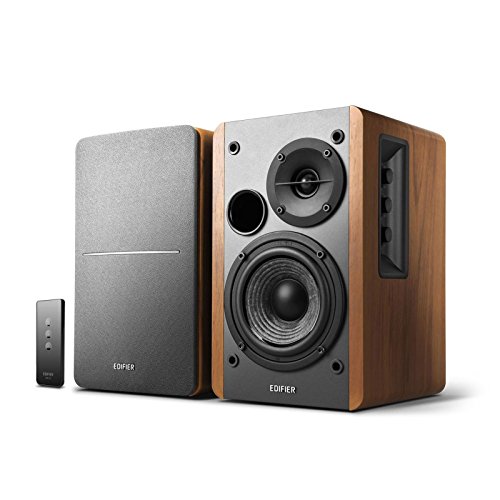
Under $250
As an Amazon Associate, we earn from qualifying purchases.
Overview: Evaluating Used Digital Pianos
Digital pianos range from $300 portable keyboards to $5,000+ console instruments designed to replicate the acoustic piano experience. The used market offers significant savings—quality digital pianos hold their value well and can last 15-20 years with proper care. However, worn key mechanisms, speaker issues, and electronic faults can be expensive or impossible to repair.
Unlike acoustic pianos, digital instruments have finite lifespans for their electronic components. Key contacts wear, rubber contacts deteriorate, and amplifiers can fail. Understanding what to test helps you find instruments with plenty of life remaining while avoiding those approaching end-of-life.
Key Insight: The key action mechanism is the most important component. Premium instruments use graded hammer action that feels like an acoustic piano. This mechanism is expensive to repair and defines the playing experience. Test every single key thoroughly.
Key Action Testing
The keyboard action is the heart of any digital piano. Quality varies enormously between unweighted synth keys and fully-weighted graded hammer action.
Action Types
Unweighted (Synth Action)
Spring-loaded keys with no weight. Fast but not piano-like. Acceptable for beginners or synth use.
Semi-Weighted
Some resistance but no hammer mechanism. Middle ground that satisfies neither pianists nor synth players.
Weighted/Hammer Action
Simulates acoustic piano feel with hammer mechanisms. Essential for serious piano study.
Graded Hammer Action
Bass keys are heavier than treble, matching acoustic piano. The gold standard for digital pianos.
Comprehensive Key Testing
- Every Key: Play each of the 88 keys individually. Listen for dead keys, weak response, or unusual sounds.
- Velocity Response: Play each key softly and loudly. Volume should scale smoothly with force applied.
- Repeated Notes: Play rapid repeated notes—mechanism should reset quickly without sticking.
- Black Keys: Often show wear first. Check for looseness or different feel than white keys.
- Key Noise: Listen for clicking, grinding, or unusual mechanical noise from keys.
Common Key Problems
- Dead Keys: Key produces no sound—likely worn contact or broken sensor
- Double Triggering: Single press produces multiple notes—contact issue
- Velocity Issues: Key plays at wrong volume regardless of touch—sensor degradation
- Sticky Keys: Key doesn't return properly—worn felt or debris in mechanism
Deal Breaker: Multiple dead or malfunctioning keys in the center octaves indicate systemic problems. Repair costs can exceed the instrument's value. One or two problematic keys may be acceptable at a reduced price.
Sound Quality Evaluation
Digital pianos use sampled sounds from acoustic instruments. Quality depends on the original samples, processing, and speaker system. Premium instruments sound remarkably realistic; budget models may sound thin or artificial.
Piano Sound Testing
- Sustain Quality: Hold a note and listen to the natural decay. Should fade smoothly without artifacts.
- Velocity Layers: Play from pianissimo to fortissimo. Sound should transition naturally between samples.
- Sympathetic Resonance: On better instruments, other strings resonate when you play—adds realism.
- Damper Simulation: When you release keys, damping should sound natural, not abrupt.
Speaker System
- All Speakers: Test at various volumes. All speakers should produce clear sound without buzzing.
- Volume Range: Test minimum and maximum volume—should be usable at both extremes.
- Distortion: At high volume, sound should remain clear without clipping or distortion.
- Balance: Left and right speakers should be balanced. Stereo imaging should be appropriate.
Other Voices
Most digital pianos include additional sounds (organs, strings, etc.). Cycle through voices and verify:
- All advertised voices are accessible and play correctly
- Voice switching works without crashes or freezes
- Layer and split functions work if advertised
Connectivity Testing
Modern digital pianos offer various connections for recording, amplification, and computer integration. Test all ports even if you don't plan to use them immediately.
Essential Connections
- Headphone Jack: Plug in headphones—should work without static or crackling when moving the plug
- Sustain Pedal: Connect pedal and verify it responds correctly in both positions
- USB: Connect to computer and verify MIDI communication works
- Audio Out: Test line outputs if present—useful for recording or amplification
Pedal Functionality
- Sustain: Notes should sustain when pedal is pressed—essential for piano playing
- Soft Pedal: If equipped, should reduce volume/change tone
- Sostenuto: If equipped, should sustain only notes held when pressed
- Half-Pedaling: Premium models support partial sustain—test gradual application
Physical Condition Assessment
- Cabinet: Check for cracks, chips, scratches, or water damage
- Key Surfaces: Look for chips, discoloration, or significant wear
- Music Rest: Should attach securely without wobbling
- Stand: If included, should be stable and adjustable
- Power Supply: Verify original power adapter is included and works
Brand-Specific Tips
Yamaha (Clavinova, P-Series)
Key Checks: GH/GHS action wear, speaker aging on older Clavinovas, firmware updates availability.
Roland (FP, HP Series)
Key Checks: PHA action mechanism, SuperNATURAL sound engine responsiveness, Bluetooth connectivity.
Kawai (ES, CA Series)
Key Checks: RHIII/Grand Feel action condition, wooden key variants for wear, SK-EX sound quality.
Nord (Stage, Piano)
Key Checks: Key action type (varies by model), sample memory usage, OS version and updates.
Used Digital Piano Pricing Guide
| Category | Original MSRP | Excellent | Good | Fair |
|---|---|---|---|---|
| Entry Portable (Yamaha P-45) | Under $1,000 | $250-325 | $175-250 | $100-175 |
| Mid Portable (Roland FP-30) | Under $1,000 | $400-525 | $300-400 | $200-300 |
| Console (Yamaha CLP) | $1,500-3,000 | Under $1,000 | Under $1,000 | $300-500 |
| Premium (Kawai CA) | $3,000-5,000 | $1,500-2,800 | Under $1,000 | Under $1,000 |
| Stage Piano (Nord) | Under $5,000 | $1,400-2,400 | Under $1,000 | Under $1,000 |
Final Inspection Checklist
Ready to Test a Used Digital Piano?
Bring headphones and plan to test every key. The key action is the most critical component—spend most of your time evaluating how the keyboard feels and responds. A quality digital piano should inspire you to play.