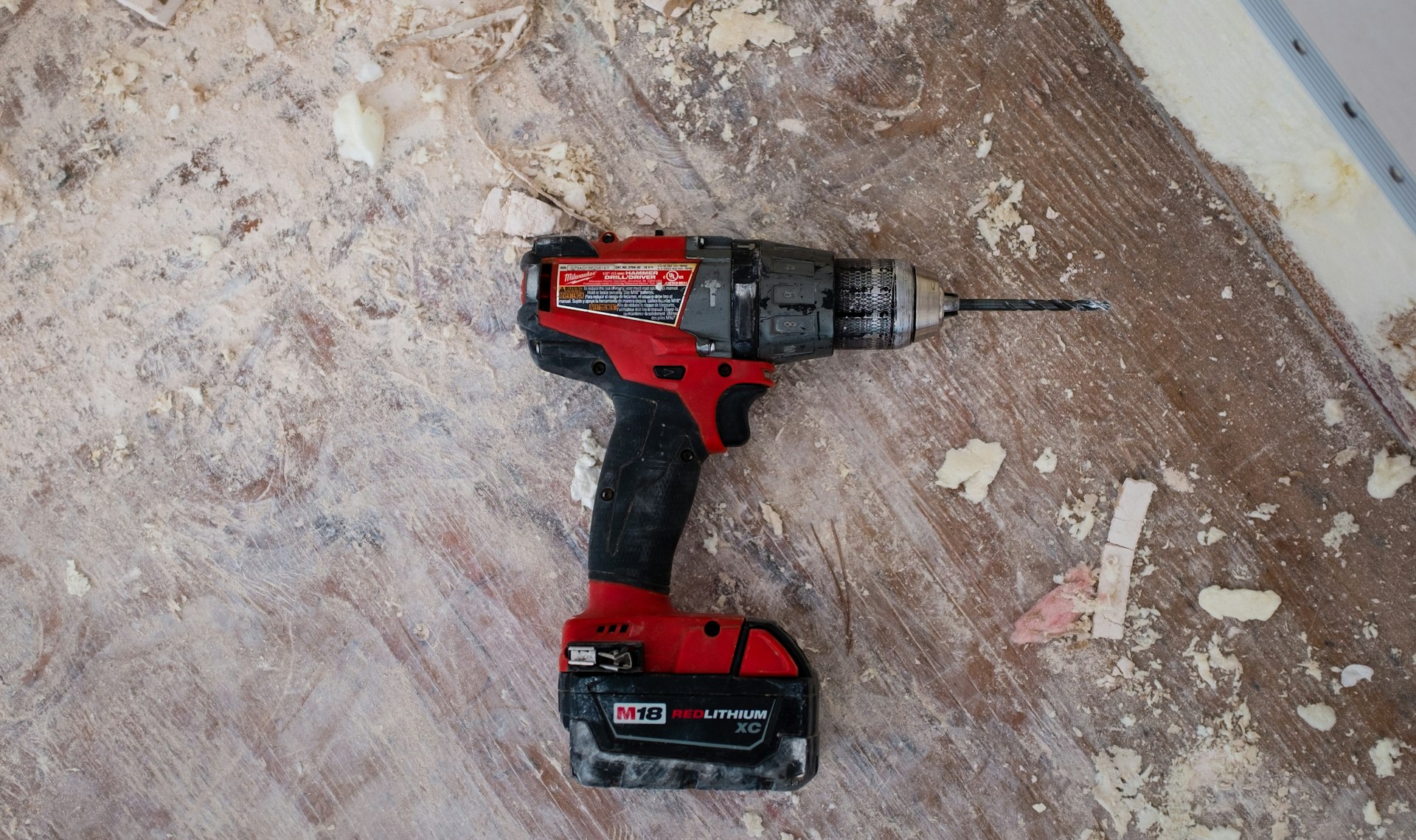
Why Buy Used Power Tools?
Professional-grade cordless drills and impact drivers from brands like DeWalt, Milwaukee, and Makita are built to withstand years of heavy use on job sites. Quality brushless tools can last a decade or more, making used units excellent value for DIYers and professionals looking to save money or expand their tool collection.
Recommended Products
Based on our research, here are some top picks:
Jackery Explorer 1000 v2 -

under $500 on Amazon
Jackery Explorer 300 -

under $500 on Amazon
As an Amazon Associate, we earn from qualifying purchases.
A new Milwaukee M18 FUEL drill/driver kit retails for under $500, while well-maintained used examples sell for $150-$200 with batteries. Contractors upgrading their tool fleet often sell perfectly functional equipment at significant discounts. The key is knowing how to evaluate condition and battery health.
This comprehensive guide teaches you how to test battery capacity, evaluate motor condition, check chuck and clutch function, and identify potential problems. Whether you need a basic drill for home projects or a heavy-duty impact driver for professional work, proper testing ensures reliable performance.
Platform Value: When buying used, consider the battery platform. DeWalt 20V MAX, Milwaukee M18, and Makita 18V batteries work across each brand's entire tool lineup, making your initial investment more valuable.
Understanding Drill and Driver Types
Different tools serve different purposes. Understanding these categories helps you evaluate condition appropriately and buy the right tool for your needs.
Drill/Driver
Versatile tools for drilling holes and driving screws with adjustable clutch settings.
- • Keyless chuck (1/2" or 3/8")
- • Variable speed trigger
- • Multiple clutch settings (15-25+)
- • 2-speed gearbox (high/low)
- • Best for: General drilling and screw driving
Impact Driver
High-torque tools using rotational impacts for driving fasteners without cam-out.
- • 1/4" hex quick-release chuck
- • Concussive rotational impacts
- • Higher torque than drill/drivers
- • Compact size for tight spaces
- • Best for: Lag bolts, long screws, automotive
Hammer Drill
Drill/driver with hammer action for drilling into masonry and concrete.
- • Hammer mode adds percussive action
- • Drill mode for wood/metal
- • Driver mode with clutch
- • Slightly larger than standard drill
- • Best for: Concrete anchors, masonry drilling
Impact Wrench
Heavy-duty impact tool for socket work and automotive applications.
- • 1/2" or 3/8" square drive
- • Highest torque of driver types
- • Used with socket attachments
- • Often includes torque settings
- • Best for: Lug nuts, automotive work, heavy fasteners
Brushed vs. Brushless Motors
Brushed Motors
- • Carbon brushes wear over time
- • Less efficient, more heat
- • Lower cost to purchase
- • Brushes are replaceable
- • Adequate for light to medium use
Brushless Motors
- • No wearing brushes
- • More efficient, longer runtime
- • Higher power output
- • Longer motor lifespan
- • Worth premium for regular use
Battery Health Testing
Battery condition is often more important than tool condition. Lithium-ion batteries degrade over charge cycles and age. Since batteries can cost $50-$150+ to replace, thorough testing is essential to understanding true value.
Visual Battery Inspection
- Check for cracks, dents, or damage to battery casing
- Inspect terminals for corrosion or damage
- Look for signs of swelling (don't buy swollen batteries)
- Check manufacturing date if visible
- Verify battery matches tool voltage (18V, 20V MAX, etc.)
Battery Performance Test
- Full charge test: Charge battery completely. Note charge time—significantly longer times indicate degraded cells.
- LED indicator check: Most batteries have charge level LEDs. All LEDs should light when fully charged.
- Runtime test: Run the tool continuously (drilling scrap wood) until battery dies. Compare to expected runtime.
- Voltage check: If you have a multimeter, check open-circuit voltage. Full 18V battery should read 20-21V; 20V MAX should read 20-22V.
Battery Condition Guide
| Condition | Runtime vs. New | Price Impact | Action |
|---|---|---|---|
| Excellent | 85-100% | Full used price | Like new performance |
| Good | 70-85% | Moderate discount | Still very usable |
| Fair | 50-70% | Significant discount | Light use only |
| Poor | <50% | Deduct replacement cost | Needs new batteries |
Battery Costs: Genuine brand batteries cost $50-$200+ depending on capacity. Third-party batteries are cheaper ($30-$60) but may have compatibility issues or shorter life. Factor these costs into your negotiation.
Motor Condition Assessment
The motor determines power, efficiency, and tool longevity. Listen and feel for problems that indicate wear or damage. Brushless motors are more durable but brushed motors can be serviced if brushes are worn.
Motor Sound and Performance
- Motor should start immediately when trigger is pulled
- Listen for smooth operation without grinding or clicking
- No excessive sparking visible (brushed motors have some sparking)
- Motor should have full power without cutting out
- Variable speed trigger should provide smooth acceleration
Brushed Motor Specific Tests
- Spark test: Excessive sparking at the rear vents indicates worn brushes. Some sparking is normal.
- Speed variation: Inconsistent speed under load suggests brush problems.
- Burning smell: Hot electrical smell indicates overheating or brush issues.
- Brush condition: If accessible, check brush length. Less than 1/4" remaining means replacement soon.
Heat and Ventilation
- Vents should be clear of debris and sawdust
- Run tool for 2-3 minutes and check for excessive heat
- Overheating indicates worn bearings or motor problems
- Burned or melted housing is a major red flag
Chuck Inspection and Testing
The chuck holds your bits securely during operation. Worn or damaged chucks cause bit slippage, runout (wobble), and poor drilling performance. Chuck problems are common in heavily used tools.
Chuck Types
Keyless Chuck (Drill/Driver)
- • Hand-tightened operation
- • Single or dual sleeve design
- • Should grip bits firmly
- • No slippage under load
- • Ratcheting mechanism for grip
Hex Quick-Release (Impact)
- • 1/4" hex bit holder
- • Spring-loaded collar
- • Quick bit changes
- • Less prone to wear
- • Should hold bits securely
Chuck Testing Procedure
- Grip test: Insert a drill bit and tighten fully. Try to pull and twist the bit—it should not move.
- Runout check: Insert a smooth, straight bit. Run at slow speed and watch for wobble. Significant wobble indicates worn chuck or spindle.
- Opening/closing: Chuck should open and close smoothly through full range. Sticky or grinding action indicates wear.
- Centering: All three jaws should meet at center. Uneven jaws can't grip properly.
Replacement Note: Chucks can be replaced for $15-$40 depending on quality. If the tool is otherwise good but the chuck is worn, factor replacement cost into your offer.
Clutch and Gearbox Evaluation
The clutch prevents over-driving screws by disengaging at set torque levels. The gearbox provides speed/torque options. Both are critical for proper operation and can be expensive to repair if damaged.
Clutch Function Test
- Rotate clutch ring through all settings—should click distinctly at each position
- Test low clutch setting by driving screw into hardwood—should disengage before stripping
- Higher settings should provide progressively more torque before disengaging
- Drill mode (no clutch) should drive until you release trigger
- Clutch should engage cleanly without grinding or slipping randomly
Gearbox Evaluation
- Speed selector: Switch between high/low gear. Should click firmly into position without grinding.
- Gear engagement: Never switch gears while motor is running. Gears should not pop out of position during use.
- Low gear test: High torque, low speed. Try driving large screw into hardwood.
- High gear test: Lower torque, high speed. Good for drilling and small screws.
- Noise check: Listen for grinding, clicking, or excessive whining in either gear.
Impact Mechanism Testing
Impact drivers and wrenches use a hammer-and-anvil mechanism to deliver rotational impacts. This mechanism is robust but can wear over time, reducing impact force and efficiency.
Impact Driver Testing
- Impact should engage smoothly when resistance increases
- Listen for consistent, rhythmic impacts—not irregular or weak
- Test with a lag bolt into hardwood—should drive efficiently
- No grinding or metal-on-metal sounds during impacts
- Impact should stop immediately when trigger released
Impact Wrench Evaluation
- Anvil condition: Check square drive for wear, rounding, or damage. Worn anvils don't hold sockets securely.
- Torque settings: If equipped with multiple torque modes, verify each setting works.
- Forward/reverse: Impact force should be similar in both directions.
- Breakaway torque: Test on a tight fastener—should deliver strong initial impact to break loose.
Hammer Drill Mode
- Switch to hammer mode and test on concrete or masonry
- Should feel distinct percussive action, not just vibration
- Hammer should engage and disengage cleanly with mode switch
- Reduced hammer action indicates worn internal components
Real-World Performance Testing
The ultimate test is actual work. Bring test materials or ask to test on the seller's workbench. Real work reveals problems that static inspection might miss.
Drilling Tests
- Softwood drilling: Drill multiple holes in pine. Should cut smoothly without bogging down.
- Hardwood drilling: Test in oak or maple. Motor should maintain speed under load.
- Metal drilling: Drill pilot hole in steel. Use low speed, steady pressure. No excessive heating.
- Large bit test: Use 1" spade or Forstner bit. Tool should handle load without stalling.
Driving Tests
- Drive 3" deck screws into treated lumber—should drive flush without stripping
- Test clutch settings with finish work (small screws, no stripping)
- Impact driver should drive lag bolts without stalling
- Multiple consecutive drives shouldn't cause overheating
Extended Run Test
If possible, use the tool for 10-15 minutes of real work:
- Monitor for increasing heat or slowing performance
- Note any new sounds that develop during extended use
- Check battery level after extended use—indicates true capacity
- Tool should maintain consistent performance throughout
Brand-Specific Evaluation Guide
DeWalt
Industry leader with excellent durability and widespread parts availability.
- • 20V MAX system has huge tool selection
- • FlexVolt batteries work with both 20V and 60V tools
- • XR models are brushless premium line
- • Excellent service network and parts availability
- • ATOMIC series is compact option
Milwaukee
Known for power and innovation with strong professional following.
- • M18 FUEL series is top-tier brushless
- • M12 platform for compact tools
- • ONE-KEY Bluetooth tracking on some models
- • Strong reputation for durability
- • Premium pricing but excellent performance
Makita
Japanese quality with excellent ergonomics and wide product range.
- • LXT 18V platform with 200+ tools
- • XPT models have improved dust/water protection
- • Known for ergonomic design and balance
- • Excellent reliability reputation
- • 40V MAX XGT for extreme power needs
Ryobi (ONE+)
Value-oriented platform with extensive tool selection for homeowners.
- • ONE+ 18V platform with 300+ tools
- • Excellent value for home use
- • HP (High Performance) brushless line
- • Widely available at Home Depot
- • Great for expanding tool collection affordably
Used Power Tool Pricing Guide
Power tool values depend heavily on battery condition, brand, and included accessories. Prices assume functional batteries with reasonable capacity. Tool-only prices are significantly lower.
| Tool Type | New Price | Used (Excellent) | Used (Good) | Used (Fair) |
|---|---|---|---|---|
| Budget Drill Kit (Ryobi) | $100-$150 | $60-$90 | $40-$60 | $25-$40 |
| Pro Drill/Driver Kit (DeWalt XR) | $200-$280 | $120-$170 | $80-$120 | $50-$80 |
| Pro Impact Driver Kit (Milwaukee) | $200-$300 | $130-$180 | $90-$130 | $60-$90 |
| Drill/Impact Combo Kit | $300-$450 | $180-$280 | $120-$180 | $80-$120 |
| Hammer Drill Kit | $250-$400 | $150-$250 | $100-$150 | $60-$100 |
| Impact Wrench Kit | $300-$500 | $180-$300 | $120-$180 | $75-$120 |
Value Adjustments
- Extra batteries: Add $40-$100 per good condition battery
- Original case/charger: Adds 10-15% to value
- Tool-only (no battery): 40-50% of kit price
- Weak batteries: Subtract replacement cost
- Worn chuck/clutch: Subtract repair cost ($20-$50)
- Brushless upgrade: Commands 15-25% premium over brushed
Interactive Testing Checklist
Use this checklist during your inspection. Tap items to mark them complete.
Final Buying Tips
- Consider the platform: Buying into a battery platform (DeWalt 20V, Milwaukee M18) opens access to dozens of compatible tools.
- Test batteries separately: If multiple batteries included, test each one individually.
- Bring test materials: Scrap wood, screws, and drill bits for hands-on testing.
- Check for recalls: Verify model isn't under safety recall for battery or fire issues.
- Know repair costs: Brushes, chucks, and switches are common replacements—know prices before negotiating.
- Tool-only can be value: If you already have compatible batteries, tool-only deals offer significant savings.
- Verify authenticity: Counterfeit tools exist—buy from trusted sources and verify serial numbers when possible.