
⚠️ Critical Safety Rules - Never Skip These
- 1. Always disconnect power: Remove battery and unplug all power sources before starting
- 2. Discharge capacitors: Wait 30+ minutes after unplugging, press power button to discharge
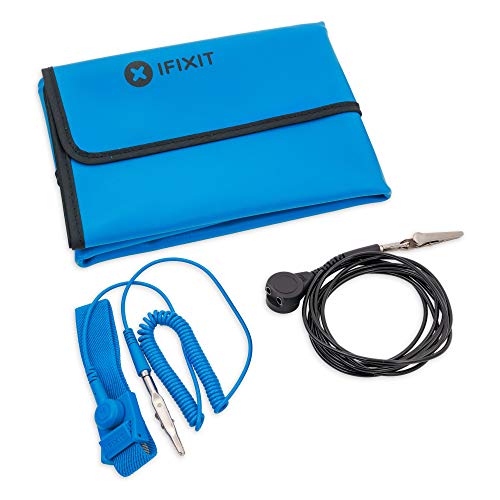
- 3. Ground yourself: Use anti-static wrist strap connected to ground
- 4. Never force components: If something doesn't move easily, you're doing it wrong
- 5. Document everything: Take photos before each disassembly step
- 6. Keep liquids away: No drinks or liquids near work area
- 7. Proper ventilation: Work in well-ventilated area when using heat or chemicals
Electrostatic Discharge (ESD) Protection
⚡ Understanding ESD Damage
- • Human body can generate 35,000+ volts of static electricity
- • Components can be damaged by as little as 30 volts
- • Damage may not be immediate - can cause future failures
- • Most sensitive: CPUs, RAM, motherboards, SSDs
✅ Proper ESD Setup
- • Anti-static mat connected to ground
- • Wrist strap with 1MΩ resistor
- • Humidity level 40-60%
- • Cotton clothing (avoid wool/synthetics)
- • Touch grounded metal before starting
❌ ESD Hazards to Avoid
- • Carpeted work areas
- • Plastic bags and bubble wrap
- • Synthetic clothing materials
- • Low humidity environments
- • Moving around while working
Safe Tool Usage
🔧 Screwdriver Safety
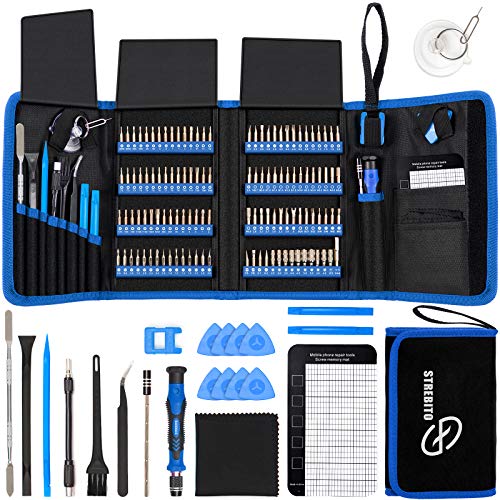
- • Use correct size - never force mismatched screwdrivers
- • Apply steady pressure straight down
- • Magnetic tips prevent dropped screws
- • Keep organized with magnetic tray
🔥 Heat Gun/Soldering Safety
- • Temperature control: 60-80°C for adhesive, 350°C for soldering
- • Keep moving to avoid hot spots
- • Use heat-resistant mat underneath
- • Proper ventilation for fumes
- • Never leave unattended while hot
🔪 Prying Tool Safety
- • Use plastic tools to prevent shorts
- • Work slowly around edges
- • Multiple thin tools better than one thick
- • Watch for hidden clips and cables
🔋 Lithium Battery Safety
⚠️ Lithium batteries can catch fire or explode if damaged!
- • Never puncture or bend batteries
- • Discharge below 25% before removal
- • Use plastic tools only near batteries
- • If battery is swollen, stop immediately
- • Keep sand/fire extinguisher nearby
- • Store removed batteries in fireproof container
- • Dispose at proper recycling centers only
🧪 Chemical & Cleaning Safety
Safe Chemicals
- • Isopropyl alcohol (90%+)
- • Distilled water
- • Compressed air (hold upright)
- • Microfiber cloths
- • Electronic contact cleaner
Never Use
- • Acetone on plastics
- • Water on powered components
- • Paper towels (leave residue)
- • WD-40 on electronics
- • Harsh solvents
🚨 Emergency Procedures
Electric Shock:
- • Do not touch victim if still in contact with power
- • Turn off power at breaker
- • Call emergency services
- • Begin CPR if trained
Battery Fire:
- • Evacuate area immediately
- • Use Class D fire extinguisher or sand
- • Never use water on lithium fires
- • Call fire department
Chemical Exposure:
- • Flush affected area with water 15+ minutes
- • Remove contaminated clothing
- • Seek medical attention
- • Keep chemical container for reference
Stay Safe While Repairing
Get professional safety equipment and follow proper procedures for successful repairs.