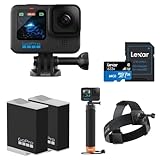
Action Camera Test
Comprehensive testing for action cameras including stabilization, waterproofing, and audio quality.
Stabilization Test
Compare footage with stabilization on vs off to evaluate effectiveness.
Test Procedure:
- Record 30 seconds of walking while handheld (stab OFF)
- Record same path with stabilization ON
- Compare footage side by side
- Test at different resolutions (4K may have reduced stab)
Standard/EIS
Electronic stabilization, slight crop
HyperSmooth/Boost
Maximum stabilization, larger crop
Horizon Lock
Keeps horizon level during rotation
Waterproof Seal Inspection
Check waterproofing before submerging.
Warning: Always inspect seals before water use. A failed seal can destroy your camera.
Before Water Exposure
After Water Test
Audio Quality Test
Test the built-in microphone in various conditions.
Indoor/Calm Conditions
Outdoor/Windy Conditions
Field of View & Distortion
Check wide-angle coverage and lens distortion.
Complete Evaluation Checklist
Video Quality
Photo Quality
Battery & Storage
Connectivity & App
Complete Guide to Testing Action Cameras
Why Action Camera Testing Is Critical
Action cameras endure extreme conditions including water, dust, impacts, and temperature extremes. Used action cameras may have compromised waterproof seals, sensor damage from drops, or degraded stabilization performance. Our comprehensive testing protocol above helps identify these issues before purchase, ensuring the camera will perform reliably during your adventures.
Premium action cameras like GoPro and DJI models retain value well but command high prices new. Used units often sell for forty to sixty percent of retail price. At these savings, buying used makes financial sense if you verify the camera functions correctly. However, action cameras see rough use, so thorough testing is essential.
Understanding Electronic Stabilization
Modern action cameras rely heavily on electronic image stabilization to produce smooth footage. These systems analyze motion and digitally adjust the image to compensate for shake. Understanding stabilization technology helps you evaluate performance and set appropriate expectations for used cameras.
Electronic stabilization crops the image sensor, using the cropped area as buffer for motion correction. Higher stabilization levels typically crop more, reducing field of view and effective resolution. Premium cameras like GoPro with HyperSmooth maintain more field of view while providing excellent stabilization. Budget cameras may show visible crop reductions at maximum stabilization.
Stabilization performance can degrade in used cameras if gyroscope or accelerometer calibration drifts. Our stabilization tests help compare performance against what the camera should achieve. Watch for jello effect, where rolling shutter combines with stabilization to create wobbly artifacts. This indicates either aggressive stabilization settings or potential sensor issues.
Horizon lock features keep the horizon level even as the camera rotates. This is invaluable for mounting positions that may shift during activities. Test horizon lock by deliberately tilting the camera while recording. The horizon should remain level up to the system's limits, typically forty-five degrees or full three-sixty rotation on premium models.
Waterproof Integrity Testing
Waterproofing is essential for action camera use in water sports, rain, and high-humidity environments. Most modern action cameras are waterproof to at least thirty feet without housing, but seal degradation or damage eliminates this protection. Our waterproof inspection checklist covers critical areas to examine before water exposure.
Rubber door seals around battery and port compartments are the most common failure points. Inspect for cracks, compression damage, or debris in seal grooves. Even small debris can create pathways for water intrusion. Clean seals gently with a soft cloth if dirty. Seals that appear dried out or compressed may not seal reliably.
Lens covers contribute to waterproofing on cameras designed for caseless underwater use. Check for cracks, scratches affecting clarity, and proper seating. Some cameras have replaceable lens covers that can restore waterproofing if damaged. After any water use, always dry the camera thoroughly before opening compartments.
Protective housing, required for deeper water use, adds another inspection layer. Housing latches must close completely with satisfying clicks. Housing seals require the same careful inspection as camera body seals. Anti-fog inserts should be present and fresh before underwater use to prevent internal condensation.
Audio Quality Considerations
Action camera audio faces unique challenges. Small microphones compete with wind, motor noise, and handling sounds. Wind noise is particularly problematic during high-speed activities. Our audio tests help evaluate microphone performance in both calm and challenging conditions.
Wind noise reduction algorithms help manage outdoor audio but can introduce artifacts or reduce overall audio quality. Test with wind noise reduction both enabled and disabled to understand the trade-offs for your use cases. Some cameras offer multiple microphone modes optimized for different activities.
External microphone options expand audio capabilities for users who need better sound quality. Verify external microphone ports function correctly if present. Wireless microphone compatibility varies between cameras, so confirm compatibility with any existing wireless audio equipment you plan to use.
Video Quality Assessment
Resolution specifications only tell part of the video quality story. Sensor size, lens quality, and processing all affect final image quality. Test actual recorded footage rather than relying solely on specifications. Watch for artifacts like compression blocking in detailed scenes, noise in shadows, and color accuracy in various lighting.
Frame rate options expand creative possibilities. High frame rates enable slow motion, with one twenty frames per second being common and some cameras offering two forty or higher. Test that advertised frame rates record properly and that slow motion playback appears smooth. Higher frame rates typically reduce maximum resolution.
Low light performance varies dramatically between action cameras. Most are optimized for bright outdoor conditions and struggle in dim environments. If you'll use the camera in low light, test performance specifically in those conditions. Some cameras offer low light modes that reduce frame rate for brighter images.
Battery and Temperature Considerations
Action camera batteries drain quickly at high resolutions and frame rates. Cold temperatures significantly reduce battery capacity. Test actual recording time at your planned settings to understand real-world battery life. Used batteries may have degraded capacity, especially if the camera saw heavy use.
Heat buildup limits recording time for many action cameras, especially at four thousand resolution and high frame rates. Some cameras implement recording time limits to prevent overheating. Test continuous recording at maximum quality settings to understand any thermal limitations.
Swappable batteries are valuable for extended shooting sessions. Verify the battery compartment opens and closes smoothly without forced alignment. Third-party batteries work with many cameras but may have reduced capacity or trigger warranty issues. Original manufacturer batteries are recommended for best performance.
Mounting and Accessories
Action cameras rely on mounting systems for hands-free operation. The standard mounting interface should be free of cracks or damaged threads. Test that mounts attach securely without wobbling. Mounting frame or cage accessories should grip the camera firmly without stress marks indicating overtightening damage.
Included accessories add value to used camera purchases. Standard mounts, adhesive pads, and frames are inexpensive but convenient to have. Housings for deep water use are more valuable if included. Verify all included accessories match the camera model and function correctly.
Frequently Asked Questions
How long do action cameras typically last?
With proper care, action cameras last three to five years. Batteries typically need replacement before other components fail. Waterproof seals should be inspected annually and replaced every two to three years for cameras used frequently in water.
Is four thousand resolution necessary for action cameras?
Four thousand resolution provides extra detail and cropping flexibility in post-production. However, ten eighty offers adequate quality for most uses, better stabilization options, longer battery life, and smaller file sizes. Choose based on your specific needs and workflow.
Can I use any SD card in my action camera?
Action cameras require fast SD cards to handle high bitrate video. Look for cards rated V30 or higher for four thousand recording. Manufacturer recommended cards ensure compatibility. Slow cards cause recording failures, dropped frames, or corrupted files.
How do I maintain waterproof seals?
Rinse camera with fresh water after salt or chlorine exposure. Dry thoroughly before opening compartments. Clean seal surfaces gently and apply manufacturer-recommended silicone lubricant periodically. Avoid compressed air which can force water past seals. Replace seals at recommended intervals.
What's the difference between GoPro and cheaper action cameras?
Premium cameras like GoPro offer superior stabilization, better low light performance, more reliable waterproofing, and extensive accessory ecosystems. Budget alternatives may match resolution specifications but often fall short in image processing, durability, and software features.
Affiliate Disclosure: We may earn a commission from purchases at no extra cost to you.