Portable Power Station Test
Calculate runtime, check capacity, and evaluate your power station.
Runtime Calculator
Add Devices to Power
Estimated Runtime: 7.1 hours
Based on 60W total load
Capacity Verification Test
Verify actual vs advertised capacity by draining with a known load.
Power Station Evaluation Checklist
Outputs & Charging
Display & Controls
Safety & Build
App & Connectivity
Complete Guide to Testing Portable Power Stations
Why Test Before Buying Used?
Portable power stations are complex devices with lithium batteries that degrade over time. When purchasing a used unit, you need to verify that the battery capacity hasn't significantly degraded, all ports function correctly, and safety features remain operational. A power station that's been through many charge cycles or stored improperly may only deliver fifty to seventy percent of its original capacity, which dramatically affects its usefulness for camping, emergencies, or off-grid applications.
Understanding Power Station Specifications
Before testing, it's important to understand key specifications. Capacity is measured in watt-hours and indicates total stored energy. A five hundred watt-hour unit can theoretically power a fifty-watt device for ten hours. However, inverter efficiency typically ranges from eighty to ninety percent, meaning actual usable capacity is lower. Our runtime calculator above accounts for this efficiency loss to give you realistic estimates.
Continuous wattage rating tells you the maximum sustained load the inverter can handle. A unit rated at five hundred watts continuous can power devices up to that limit indefinitely. Peak or surge wattage, usually double the continuous rating, handles startup surges from motors and compressors but only for a few seconds. If you plan to run power tools, refrigerators, or air conditioners, ensure the peak rating exceeds the device's startup surge.
Battery Health Assessment
Lithium batteries in power stations are rated for a specific number of charge cycles, typically five hundred to three thousand depending on battery chemistry. Lithium iron phosphate batteries offer longer cycle life but are heavier. Standard lithium-ion batteries are lighter but degrade faster. After reaching rated cycle count, batteries typically retain about eighty percent of original capacity.
To accurately test battery health, fully charge the unit, then discharge it with a known constant load while timing how long it runs. Our capacity verification calculator helps you compare actual versus advertised capacity. A result above ninety percent indicates excellent battery health. Between eighty and ninety percent is acceptable for a used unit. Below eighty percent suggests significant degradation, and you should factor replacement battery costs into your purchase decision.
Testing Output Ports
Modern power stations include multiple output types, and each should be tested individually. For AC outlets, connect a lamp or small appliance and verify stable operation. USB-A ports should charge phones at standard rates. USB-C Power Delivery ports are crucial for laptops and tablets, so test with your actual devices to confirm fast charging works. The twelve-volt DC output, often a car cigarette lighter style socket, should be tested with a twelve-volt device or multimeter to verify proper voltage.
Pass-through charging lets you use the power station while it's charging from wall power or solar panels. This feature is essential for emergency backup scenarios where you want continuous operation during a power outage that comes and goes. Verify this works by plugging in both input and output simultaneously.
Solar Charging Compatibility
If you plan to use solar panels, verify the input specifications match your panels. Most power stations accept a range of voltages, commonly twelve to twenty-five volts, with specific amperage limits. Test solar charging if possible, or at minimum verify the solar input port is undamaged and the unit displays incoming solar power correctly when connected to a compatible panel.
Safety Features to Verify
Quality power stations include multiple safety protections. Overload protection should trigger when you exceed the continuous wattage rating, automatically shutting off output rather than damaging components. Test this carefully by connecting a device near the limit. Over-temperature protection prevents damage from excessive heat, though this is harder to test safely. Short circuit protection should immediately cut power if outputs are shorted, though we don't recommend testing this yourself.
Battery management systems in quality units balance cells, prevent overcharging, and protect against deep discharge. Signs of BMS problems include the unit shutting off unexpectedly, refusing to charge past certain percentages, or displaying inaccurate battery levels that jump around.
Common Issues in Used Units
Watch for these red flags when evaluating used power stations. Swollen or bulging cases may indicate battery problems and potential safety hazards. Units that get excessively hot during charging or discharging may have internal issues. Fan noise that's louder than expected could indicate thermal management problems or accumulated dust. Display glitches, unresponsive buttons, or ports that require wiggling to work suggest wear or damage.
Check the charging port for damage, as this is a common failure point if previous owners used incompatible chargers or yanked cables roughly. Verify all included accessories and check if the original charger is present, as third-party chargers may not provide optimal charging speeds or could damage the battery.
Frequently Asked Questions
How long do portable power stations last?
With proper care, portable power stations typically last five to ten years. Battery capacity gradually decreases over time, with most units retaining eighty percent capacity after their rated cycle count, usually five hundred to three thousand cycles depending on battery chemistry.
Can I use a power station while it's charging?
Most quality power stations support pass-through charging, allowing simultaneous input and output. However, this may reduce charging speed and can generate additional heat. Check your specific model's documentation for recommendations.
What size power station do I need?
Use our runtime calculator above to estimate your needs. For phone and laptop charging during camping trips, two hundred to five hundred watt-hours is sufficient. For emergency home backup or running small appliances, one thousand to two thousand watt-hours provides more flexibility.
How do I store a power station long-term?
Store at fifty to eighty percent charge in a cool, dry location. Avoid extreme temperatures. Check and recharge every three to six months to prevent deep discharge, which can permanently damage lithium batteries.
Are refurbished power stations worth buying?
Manufacturer-refurbished units can offer good value, as they typically include new batteries and warranty coverage. Use our testing checklist to verify functionality regardless of whether buying new, refurbished, or used from private sellers.
Affiliate Disclosure: We may earn a commission from purchases at no extra cost to you.
Recommended Power Stations
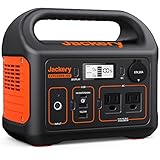
Jackery Explorer 500
Reliable 518Wh capacity, great for camping and emergencies
Price: $400-500
$178.99
EcoFlow DELTA 2
1024Wh with fast charging - 0-80% in 50 minutes
Price: $800-1000

$398.00
