
Introduction
True wireless earbuds have become essential daily companions for millions of people, providing convenient audio for commuting, workouts, calls, and entertainment. Premium earbuds from Sony, Samsung, Jabra, and others can cost $150-$300 new, making the used market an attractive option for quality audio at reduced prices.
Recommended Products
Based on our research, here are some top picks:
Steven Slate Audio VSX Headphones -

under $500 on Amazon
Audio-Technica ATH-M50X Headphones -

under $250 on Amazon
SteelSeries Arctis Nova Pro Wireless -

under $500 on Amazon
Edifier R1280T Bookshelf Speakers -
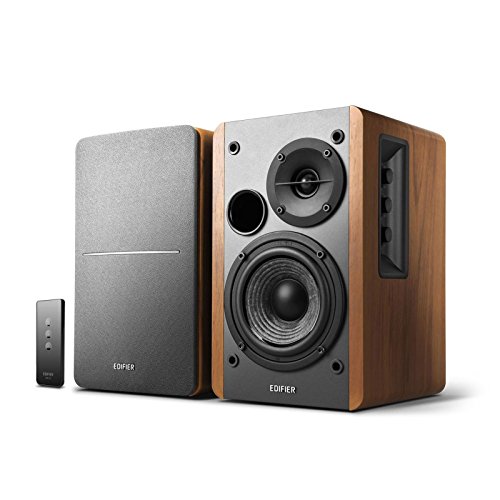
under $250 on Amazon
As an Amazon Associate, we earn from qualifying purchases.
However, wireless earbuds face unique challenges that make thorough testing essential. Their tiny batteries degrade quickly with daily use, and issues like driver imbalance, connectivity problems, or failed noise cancellation can render expensive earbuds frustrating to use. The intimate nature of earbuds also raises hygiene considerations for used purchases.
This guide covers testing for all major wireless earbud brands including Sony WF series, Samsung Galaxy Buds, Jabra Elite, Bose QuietComfort Earbuds, Sennheiser, and others. Whether you're seeking premium ANC earbuds for travel or workout-focused buds for the gym, proper testing ensures you get reliable audio performance.
Pro Tip: Bring alcohol wipes and spare ear tips. Clean the earbuds before inserting, and use your own ear tips if possible for hygiene. This also lets you test with tips you know fit well.
Battery Health Assessment
Battery life is the most critical factor for used wireless earbuds. These tiny batteries are stressed by frequent charge cycles and degrade faster than larger device batteries. Poor battery health is the most common issue with used earbuds.
Earbud Battery Testing
Start with fully charged earbuds and note the battery percentage in the companion app or device. Play music continuously at moderate volume and track how quickly battery depletes. Compare actual runtime to manufacturer specifications. Expect some degradation (10-20%) on used earbuds, but significantly shorter life indicates replacement may be needed soon.
Case Battery Testing
The charging case battery is equally important, providing multiple charges for the earbuds. Test how many full earbud charges the case provides. A healthy case should match or approach the original specification (typically 3-5 additional charges). Cases with severely degraded batteries may only provide one charge or less.
Charging Function Verification
Place partially discharged earbuds in the case and verify they begin charging. Check that charging indicators illuminate correctly on both earbuds and case. Test that both earbuds reach full charge. Asymmetric charging or one earbud failing to charge indicates contact or battery issues.
Battery Health Indicators
Some companion apps display battery health information. Check these metrics if available. Ask the seller about typical daily usage and charging habits. Earbuds used heavily for 1-2 years will have noticeable battery degradation. Factor potential replacement costs into your evaluation.
Sound Quality Evaluation
Sound quality determines whether earbuds are worth keeping. Testing reveals driver damage, imbalanced output, and other issues affecting audio performance.
Driver Balance Testing
Play a mono audio track and verify both earbuds produce equal volume. Use your device's balance slider to check for any inherent imbalance. Listen for any distortion, crackling, or unusual sounds from either driver. Driver imbalance is common in used earbuds and cannot be repaired.
Frequency Response Check
Listen to music spanning different frequency ranges. Test bass response with bass-heavy tracks. Evaluate midrange clarity with vocals. Check treble detail with acoustic instruments or electronic music. Compare left and right earbuds for consistency across frequencies.
Volume and Distortion Testing
Test at various volume levels from quiet to loud. Listen for distortion that appears only at higher volumes. Check for rattling or buzzing that might indicate damaged drivers. Quality earbuds should remain clean and controlled even at higher volumes.
EQ and Sound Profiles
Test the companion app's equalizer and preset sound profiles. Verify all adjustments affect the sound as expected. Check that custom EQ settings save and apply correctly. Compare to reviews of the same model to gauge whether sound quality matches expectations.
Active Noise Cancellation Testing
ANC is a key feature of premium earbuds and adds significant value. Testing ANC effectiveness ensures you're getting the noise cancellation performance you're paying for.
ANC Effectiveness
Enable ANC in a noisy environment (near traffic, HVAC systems, or crowds). Low-frequency rumble should be significantly reduced. Compare ANC off versus on to gauge effectiveness. ANC should create a noticeable difference in ambient noise perception.
ANC Consistency
Verify both earbuds provide equal noise cancellation. Uneven ANC suggests microphone or processing issues in one earbud. Check that ANC doesn't produce uncomfortable pressure or ear fatigue. Some wind noise during outdoor use is normal, but excessive noise indicates microphone problems.
Transparency/Ambient Mode
Test transparency or ambient sound mode that lets outside sound through. Voices and announcements should be clear and natural. Check that transparency mode works equally on both earbuds. Some earbuds offer adjustable transparency levels—test these variations.
Adaptive ANC Features
Many premium earbuds offer adaptive ANC that adjusts to surroundings. Test these features in different environments. Verify the earbuds correctly detect and adapt to noise levels. Check that speak-to-chat or conversation detection features function properly.
Bluetooth Connectivity Testing
Reliable connectivity is essential for frustration-free use. Testing reveals issues with pairing, range, and connection stability.
Pairing Process
Test the initial pairing process with your device. Earbuds should enter pairing mode easily and connect quickly. Verify pairing completes for both earbuds simultaneously. Check that the earbuds appear correctly in your device's Bluetooth settings.
Connection Stability
Walk around while connected to test connection stability. Move to different rooms and through doorways. Check for audio dropouts or interruptions during movement. Connection should remain stable at typical usage distances (10-30 feet). Frequent dropouts indicate antenna or Bluetooth issues.
Multipoint Connection
If the earbuds support multipoint (connecting to two devices), test this feature. Verify smooth switching between devices when calls come in. Check that audio routing works correctly between paired devices. Test reconnection when moving between devices.
Single Earbud Mode
Test using each earbud independently. Verify audio and controls work with either earbud alone. Check that removing one earbud pauses music (if supported). Test that the remaining earbud maintains connection reliably.
Microphone Quality Testing
Call quality depends on microphone performance. Poor microphones make earbuds frustrating for phone calls and video meetings.
Voice Call Testing
Make a test call and ask the other person about your voice quality. Your voice should be clear and natural without excessive background noise. Record a voice memo for self-evaluation if calling isn't possible. Check for muffled audio, robotic artifacts, or excessive compression.
Noise Reduction Performance
Test call quality in moderately noisy environments. Quality earbuds should reduce background noise effectively. Check that wind noise reduction works outdoors. Compare performance to reviews of the same model.
Microphone Balance
If earbuds use multiple microphones, verify all are functioning. Test calls with each earbud individually. Check for any noticeable quality difference between left and right. Microphone damage on one side affects overall call quality.
Physical Condition Assessment
Earbuds are small and easily damaged. Physical inspection reveals wear that might affect fit, charging, or audio quality.
Earbud Body Inspection
Examine each earbud for scratches, chips, and cracks. Check that touch surfaces or buttons function properly. Verify charging contacts are clean and undamaged. Look for signs of sweat corrosion or water damage.
Speaker Mesh Condition
Inspect the speaker mesh covering the drivers. Clogged mesh reduces sound quality and volume. Check for damage or missing mesh. Earwax buildup indicates cleaning may improve sound quality.
Sensor Verification
Test wear detection sensors by inserting and removing earbuds. Music should pause when earbuds are removed (if supported). Verify sensors work on both earbuds. Damaged sensors won't correctly detect whether earbuds are worn.
Controls Testing
Test all touch controls or buttons on both earbuds. Verify play/pause, volume, track skip, and ANC toggle work. Check that controls respond consistently without requiring excessive taps. Test voice assistant activation if supported.
Charging Case Inspection
The charging case is essential for earbud functionality, providing storage, protection, and power. Case problems affect daily usability.
Case Physical Condition
Examine the case for scratches, dents, and cracks. Check the hinge for smooth operation and secure closure. Verify the lid stays closed during transport. Inspect for any broken clips or latches that might allow the case to open accidentally.
Charging Contact Inspection
Look at the charging contacts inside the case. Contacts should be clean and properly aligned. Check for corrosion, debris, or damage. Verify earbuds seat properly and make consistent contact. Dirty contacts cause intermittent charging issues.
Case Charging Port
Inspect the USB-C or Lightning port for damage. Test that cables connect securely. Verify the case charges properly when connected. If the case supports wireless charging, test this feature on a compatible pad.
LED Indicators
Check that case LED indicators function correctly. Verify they accurately show charging status and battery level. LEDs should illuminate when opening the case near a paired device. Dim or non-functional LEDs may indicate internal issues.
Fit and Comfort Evaluation
Proper fit is essential for sound quality, ANC effectiveness, and comfort during extended use. Testing fit with your ears is important before committing to purchase.
Ear Tip Sizing
Try different included ear tip sizes to find the best seal. A proper seal dramatically improves bass response and ANC performance. Many earbuds include small, medium, and large tips—test all sizes. Consider whether included tips work for your ears or if alternatives are needed.
Secure Fit Test
Shake your head and move around to test how securely the earbuds stay in place. Earbuds for workouts should remain stable during movement. Check if wing tips or stabilizers are included for active use. Earbuds that require constant adjustment become frustrating during daily use.
Comfort During Extended Wear
If possible, wear the earbuds for 15-20 minutes during your evaluation. Note any pressure points or discomfort that develops. Ear fatigue from ANC or poor fit worsens over time. Consider your intended usage duration when evaluating comfort.
Seal Test Features
Many companion apps include ear seal tests. Run these tests to verify proper fit and seal. Poor seal scores indicate the earbuds may not suit your ear shape. Some earbuds offer different fit styles (in-ear vs. open) worth comparing.
Brand-Specific Testing Tips
Each major earbud brand has unique features, apps, and common issues. Knowing your brand helps ensure thorough evaluation.
Sony WF Series
Sony earbuds use the Sony Headphones Connect app. Test LDAC high-resolution audio if your device supports it. Verify Speak-to-Chat and Adaptive Sound Control features. Check DSEE Extreme audio upscaling. Test 360 Reality Audio compatibility if important to you. Sony's ANC is class-leading—verify it performs to expectations.
Samsung Galaxy Buds
Galaxy Buds work best with Samsung phones but support other devices. Test the Galaxy Wearable app for full functionality. Verify 360 Audio head tracking if supported. Check SmartThings Find location features. Test seamless switching between Samsung devices. ANC performance varies significantly between Galaxy Buds generations.
Jabra Elite Series
Jabra uses the Jabra Sound+ app for customization. Test the MySound hearing profile feature. Verify multipoint connection with two devices. Check HearThrough transparency mode quality. Jabra earbuds often feature excellent call quality—test this thoroughly. Verify IP ratings match your workout intensity needs.
Bose QuietComfort Earbuds
Bose requires the Bose Music app. Test the adjustable ANC levels (0-10 scale). Verify ActiveSense technology adapts to surroundings. Check SimpleSync for Bose speaker connectivity. Bose earbuds are larger—verify comfort for your ears. Test Aware mode for transparency quality.
Used Wireless Earbuds Pricing Guide
Wireless earbud values vary based on brand, generation, battery health, and included accessories. Use these guidelines for fair pricing.
| Model | Excellent | Good | Fair |
|---|---|---|---|
| Sony WF-1000XM5 | $180-$220 | $140-$180 | $100-$140 |
| Sony WF-1000XM4 | $120-$160 | $90-$120 | $60-$90 |
| Samsung Galaxy Buds 3 Pro | $150-$190 | $110-$150 | $80-$110 |
| Samsung Galaxy Buds 2 Pro | $100-$130 | $70-$100 | $50-$70 |
| Jabra Elite 85t/10 | $100-$150 | $70-$100 | $50-$70 |
| Bose QuietComfort Ultra | $180-$230 | $140-$180 | $100-$140 |
| Sennheiser Momentum TW 3/4 | $150-$200 | $110-$150 | $80-$110 |
Price-Affecting Factors
- Battery health: Degraded battery drops value 20-35%
- Driver balance: Imbalanced audio drops value 30-50%
- Missing ear tips: Missing tips reduce value 5-10%
- Case condition: Damaged case reduces value 15-25%
- Generation: Each generation back reduces value 25-35%
Shop Wireless Earbuds
Compare prices on popular wireless earbuds:
Complete Testing Checklist
Use this interactive checklist during your inspection to ensure thorough evaluation.
Red Flags - When to Walk Away
Some issues make used earbuds not worth purchasing. Watch for these warning signs.
Driver Imbalance
Noticeably different volume between left and right
Severe Battery Degradation
Battery lasts less than half the original specification
Charging Failure
Either earbud won't charge in the case
Broken ANC
ANC doesn't work or only works on one side
Connection Issues
Constant dropouts or pairing failures
Driver Distortion
Crackling, buzzing, or distortion at any volume
Broken Case Hinge
Case doesn't close properly or stay closed
Missing Earbud
Only one earbud available (rarely worth buying)
Final Recommendations
Used wireless earbuds offer excellent value, but battery degradation is a near-universal concern. Factor battery health heavily into your decision, as replacement batteries aren't available for most models.
Test both earbuds equally—asymmetric issues like driver imbalance or uneven ANC affect the listening experience significantly. Hygiene considerations are important, so clean thoroughly before testing and consider replacing ear tips.
The best used earbuds are recent models with light use and strong battery performance. Take your time testing all features, especially ANC and connectivity, to ensure the earbuds will serve you reliably.