
Why Test a Used Portable Air Conditioner?
Portable air conditioners offer flexible cooling solutions for homes and spaces where window units or central air aren't practical. The used market is filled with units from people who moved, upgraded to better systems, or discovered that portable ACs didn't meet their expectations. Understanding what to look for helps you find a unit that will actually cool your space effectively.
Recommended Products
Based on our research, here are some top portable AC picks:
Midea Duo 12,000 BTU Inverter Portable AC -

under $750 on Amazon
Whynter 14,000 BTU Dual Hose Portable AC -
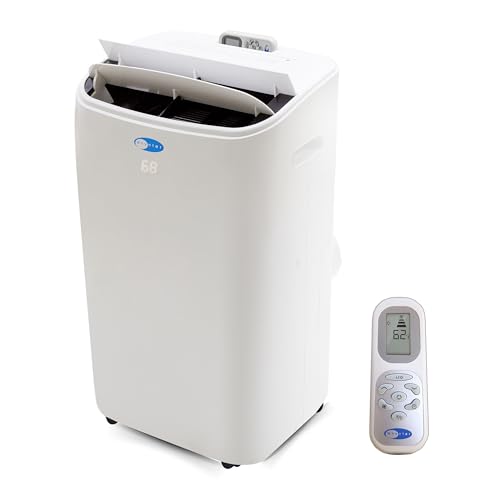
under $500 on Amazon
BLACK+DECKER 14,500 BTU Portable AC -

under $750 on Amazon
As an Amazon Associate, we earn from qualifying purchases.
Portable ACs are more complex than they appear. They contain compressors similar to refrigerators, fans, condensate management systems, and sophisticated controls. A failing compressor cannot be economically repaired - it often costs more than a new unit. Refrigerant leaks develop gradually, reducing cooling capacity until the unit becomes useless. These issues aren't always obvious during a quick inspection.
This guide teaches you to evaluate every critical aspect of a used portable AC. From testing actual cooling output to checking drainage systems that can cause water damage if faulty, you'll learn to distinguish between units worth buying and ones that will disappoint. A quality portable AC from brands like LG, Whynter, or BLACK+DECKER can provide years of reliable cooling when properly maintained.
Important Testing Note
Portable ACs need 10-15 minutes of runtime to reach full cooling capacity. Plan for adequate testing time. If the seller won't let you run the unit, that's a significant red flag. Also, these units are heavy (50-90 lbs) - arrange transportation accordingly.
Compressor Testing
The compressor is the heart of any air conditioner. It's also the most expensive component and typically not worth repairing if failed. Compressor evaluation is the most critical test for any used portable AC.
Startup Observation
Turn on the unit and select cooling mode. The fan should start immediately. Within 30-60 seconds, you should hear the compressor engage - it produces a distinct low hum or rumble. If the compressor doesn't start, the unit has a serious problem. Some units have a 3-minute compressor delay for protection - this is normal.
Compressor Sound Assessment
A healthy compressor produces a steady, consistent hum. Listen for clicking, grinding, or rattling sounds that indicate bearing wear or internal damage. The compressor should run continuously once started (until the set temperature is reached). Short cycling - frequent starting and stopping - indicates refrigerant problems or compressor failure.
Hot Gas Line Check
After 5-10 minutes of operation, carefully feel the exhaust hose connection or the back of the unit. It should be distinctly warm to hot. This heat is the extracted room heat being expelled. If the exhaust isn't warm, the compressor isn't compressing refrigerant effectively - a sign of refrigerant loss or compressor failure.
Healthy Compressor Signs
- • Starts within 60 seconds
- • Steady, consistent hum
- • Runs continuously when cooling
- • Hot exhaust after 10 minutes
- • No clicking or rattling
- • Cycles off when temp reached
Warning Signs
- • Won't start at all
- • Grinding or rattling sounds
- • Short cycling (on/off/on)
- • Lukewarm exhaust
- • Loud clicking on startup
- • Runs but no cooling
Cooling Performance Testing
Actual cooling output is what matters. BTU ratings on the label don't tell the whole story - only real-world testing reveals true performance.
Temperature Differential Test
Use a thermometer (or phone with temperature sensor) to measure the room temperature. Then measure the air coming directly from the AC vent. After 10-15 minutes of operation, the output air should be 15-20°F colder than room temperature. Less than 15°F difference indicates reduced cooling capacity from low refrigerant or compressor issues.
Understanding BTU Ratings
Portable AC BTU ratings are often inflated. A "14,000 BTU" portable typically provides 8,000-10,000 BTU of actual cooling due to single-hose design inefficiencies. Dual-hose units are more efficient. The DOE now requires SACC (Seasonally Adjusted Cooling Capacity) ratings - look for this number for accurate comparison.
Room Cooling Verification
If testing in a closed room, you should notice a temperature drop within 15-20 minutes for an appropriately-sized unit. A 10,000 BTU unit should noticeably cool a 300-400 square foot room. No perceptible room cooling after 20+ minutes with the exhaust properly vented indicates problems.
Single vs. Dual Hose
Single-hose units expel indoor air outside, creating negative pressure that pulls warm outside air in. Dual-hose units use separate intake and exhaust, maintaining room pressure and improving efficiency. Dual-hose units are worth a premium but verify both hoses and connections are present.
Expected Temperature Drop at Vent
| Excellent condition | 18-22°F below room temp |
| Good condition | 15-18°F below room temp |
| Marginal (potential issues) | 10-15°F below room temp |
| Problem unit | Under 10°F difference |
Airflow & Fan System
Portable ACs typically have multiple fans: one for room air circulation and one for condenser cooling. Both must work properly for effective operation.
Fan Speed Testing
Cycle through all fan speeds (typically low, medium, high). Each speed should produce noticeably different airflow. The transitions should be smooth without hesitation. Place your hand at the output vent to verify increasing airflow at higher settings. Unresponsive speeds indicate fan motor or control issues.
Airflow Volume Check
At high speed, a quality portable AC should move substantial air. You should feel significant airflow from several feet away. Weak airflow limits cooling effectiveness regardless of compressor health. Hold a tissue near the intake to verify strong suction - this confirms internal airflow.
Oscillation Function
Many portable ACs have motorized louvers that oscillate to distribute air. Activate this feature and verify smooth, continuous movement. Jerky motion or stuck louvers indicate motor wear. Manual louver adjustment should hold position without drooping.
Noise Level Assessment
Portable ACs are inherently noisy - typically 50-55 dB on low and 55-65 dB on high. Listen for abnormal sounds: rattling (loose components), squealing (worn bearings), or buzzing (electrical issues). Compare to online reviews or specifications for that model if possible.
Drainage System Inspection
Portable ACs extract moisture from the air, which must be managed. Failed drainage systems can cause water damage to floors and the unit itself. This system deserves careful attention.
Condensate Tank Check
Most portable ACs collect condensate in an internal tank. Locate the drain plug and tank access. Remove and inspect the tank if possible. Look for mold, mildew, or slimy buildup indicating poor maintenance. The tank should be clean with no cracks or damage.
Self-Evaporative Feature
Many modern portable ACs use "self-evaporative" technology that exhausts most moisture through the exhaust hose. These units rarely need tank emptying except in very humid conditions. Verify this feature is claimed and test by running the unit - it shouldn't fill the tank quickly.
Continuous Drain Option
Better units include a continuous drain connection for running a hose to a floor drain. Check that this port exists, isn't blocked, and includes the drain plug. This feature is valuable for unattended operation in humid areas.
Tank Full Sensor
All portable ACs should stop operating when the tank is full to prevent overflow. Ask the seller if this safety feature works properly. A malfunctioning float sensor can cause water damage. Some units beep or display an indicator when the tank needs emptying.
Water Damage Warning Signs
- • Water stains on unit exterior
- • Rust at drain plug or base
- • Musty smell from unit
- • Visible mold in tank area
- • Warped or stained flooring nearby
Exhaust & Venting System
Proper exhaust venting is essential for portable AC function. The unit must expel hot air outside - without it, you're just moving heat around the room. Verify all venting components are present and functional.
Exhaust Hose Inspection
Examine the exhaust hose for damage: holes, cracks, crushed sections, or detached insulation. Minor external damage is acceptable, but holes allow hot air to escape into the room. The hose should extend smoothly without kinks. Replacement hoses cost $20-50 but aren't available for all models.
Window Kit Completeness
Verify all window kit components are included: adjustable panels, hose connectors, and any securing hardware. Missing window panels are difficult to replace and aftermarket options may not fit properly. Measure the window panel range and compare to your windows.
Hose Connections
Connect the exhaust hose to both the unit and window adapter. Connections should be secure with no gaps. Run the unit and feel around connections for escaping hot air. Loose or damaged connection points significantly reduce efficiency.
Dual-Hose Components
For dual-hose units, verify both hoses are present and in good condition. The intake hose doesn't need to handle as much heat but still requires proper connection. Dual-hose units without their intake hose essentially become single-hose units with reduced efficiency.
Controls & Display Testing
Modern portable ACs feature digital controls, programmable timers, and remote controls. Testing these electronic features ensures full functionality.
Control Panel Check
Press every button on the control panel and verify response. Temperature adjustment buttons should change the setpoint smoothly through the full range (typically 61-86°F). Mode buttons should cycle between cooling, fan-only, and dehumidify modes. Any unresponsive buttons limit usability.
Display Function
LED or LCD displays should show all information clearly. Check for dead segments, flickering, or dim areas. The display should show current temperature, set temperature, and mode. Some units show filter and tank status - verify these indicators work.
Remote Control Testing
Test all remote control functions from various distances and angles. The unit should respond from across the room. Check if batteries are included or needed. Remote controls can sometimes be purchased separately, but it's better if the original is present and working.
Timer Programming
Program the on/off timer and verify it displays correctly. If you can wait, confirm the timer activates properly. Timer function allows energy-saving scheduled operation. 24-hour timers are standard; some models offer weekly programming.
Filters & Maintenance State
Filter condition reveals maintenance history and affects performance. Clogged filters reduce airflow and force harder work from all components.
Air Filter Inspection
Remove the air filter and examine it. Most portable AC filters are washable mesh that should be gray or slightly discolored. Heavily clogged filters (solid gray/brown) indicate poor maintenance. The filter should clean easily with water. Verify the filter frame isn't cracked or warped.
Carbon or Secondary Filters
Some units include carbon or HEPA-style secondary filters. These are typically not washable and need periodic replacement. Check if present and note their condition. Replacement costs $15-40 - factor this into your evaluation.
Coil Visibility
If accessible, look at the evaporator coil (the cold one, near the air intake). It should be reasonably clean without heavy dust buildup. Frozen coils indicate refrigerant issues. Bent fins reduce efficiency but can sometimes be straightened.
Overall Cleanliness
A well-maintained unit should be reasonably clean throughout. Heavy dust, sticky residue, or visible mold indicate neglect. Check intake and exhaust areas for debris. Heavily soiled units may have internal contamination affecting performance and air quality.
Portable AC Brand Guide
Brand quality significantly affects reliability and cooling performance. Here's what to expect from major portable AC manufacturers.
LG
Major appliance manufacturer with reliable portable ACs. Known for quiet operation and good build quality. Dual-Inverter models offer improved efficiency. Strong parts and service network.
Key tests: Compressor sound, cooling output, display function
See the Midea Duo Inverter Portable AC on AmazonWhynter
Specialist in portable cooling with dual-hose models at competitive prices. Known for actual cooling performance matching ratings. Good eco-friendly refrigerant options. Popular among informed buyers.
Key tests: Both hoses present, cooling capacity, drainage system
See the Whynter Dual Hose 14,000 BTU on AmazonBLACK+DECKER
Well-known brand with extensive portable AC lineup. Good balance of features and price. Self-evaporative technology on most models. Widely available parts and support.
Key tests: Evaporative function, fan operation, filter access
See the BLACK+DECKER 14,500 BTU Portable AC on AmazonBlack+Decker
Budget-friendly option with basic functionality. Adequate for occasional use or smaller spaces. Simpler controls and fewer features. Good entry point for portable cooling.
Key tests: Basic cooling function, compressor health, all included parts
See the Black+Decker 14,000 BTU Portable AC on AmazonFriedrich
Premium manufacturer known for commercial-grade durability. Excellent cooling performance and quiet operation. Higher price but built to last. Often found in professional settings.
Key tests: All functions, noise level, build quality
See the Friedrich ZoneAire Portable AC on AmazonSereneLife
Budget compact units for small spaces. Good for personal cooling rather than whole-room. Lower capacity but also lower price point. Check actual BTU ratings carefully.
Key tests: Realistic cooling expectations, all components present
See the SereneLife 10,000 BTU Portable AC on AmazonUsed Portable AC Pricing Guide
Portable AC values depend on brand, capacity, condition, and included accessories. Dual-hose units command premiums over single-hose models.
| Category | Condition | Price Range | % of Retail |
|---|---|---|---|
| Budget Single-Hose (8,000-10,000 BTU) | |||
| Basic brands | Excellent | $120-180 | 35-45% |
| Basic brands | Good | $80-130 | 25-35% |
| Mid-Range Single-Hose (12,000-14,000 BTU) | |||
| LG, BLACK+DECKER | Excellent | $200-300 | 40-50% |
| LG, BLACK+DECKER | Good | $140-220 | 30-40% |
| Dual-Hose Units (10,000-14,000 BTU) | |||
| Whynter, quality brands | Excellent | $280-400 | 45-55% |
| Whynter, quality brands | Good | $200-300 | 35-45% |
| Premium/Inverter Models | |||
| LG Dual Inverter, Friedrich | Excellent | $400-550 | 50-60% |
| LG Dual Inverter, Friedrich | Good | $300-420 | 40-50% |
Value Adds
- • Complete window kit (+$20-40)
- • Working remote (+$10-20)
- • Recent use (confirmed working)
- • Clean filter and coils (+5-10%)
- • Under 2 years old (+15-25%)
Price Reductions
- • Missing window kit (-$30-50)
- • Missing or bad remote (-$15-25)
- • Damaged exhaust hose (-$25-40)
- • Weak cooling (walk away)
- • Over 5 years old (-25-35%)
Final Testing Checklist
Complete this checklist during your evaluation. Check off items as you verify them. Unchecked items indicate potential issues.
Ready to find your used portable AC?
See the Midea Duo Inverter Portable AC on Amazon