
How to Test a Used Rowing Machine Before Buying
Rowing machines deliver one of the most complete full-body workouts available from home fitness equipment, but premium rowers from brands like Concept2, Hydrow, and NordicTrack can cost $1,000-$2,500 new. Buying used can save 40-60% off retail, but without proper testing you risk purchasing machines with worn resistance systems, failing monitors, or damaged rails that compromise your workout. This comprehensive guide walks you through every test needed to evaluate a used rowing machine and ensure you're getting equipment that will last for years of training.
Recommended Products
Based on our research, here are some top picks:
Concept2 RowErg Indoor Rowing Machine -
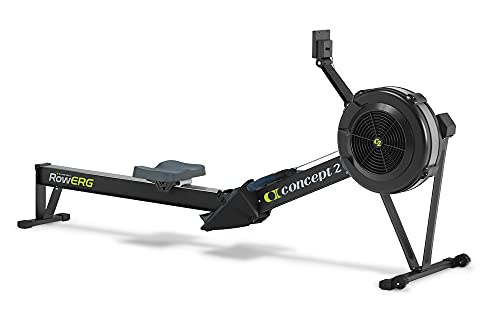
Under $1,000
Hydrow Wave Rowing Machine -
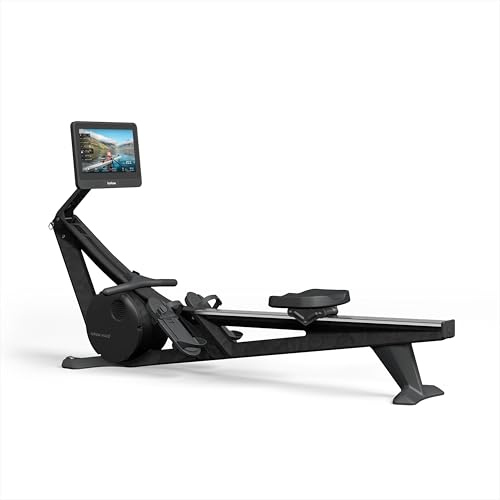
Under $2,000
Sunny Health & Fitness Magnetic Rowing Machine -

Under $500
As an Amazon Associate, we earn from qualifying purchases.
Why This Testing Matters
Rowing machines endure significant mechanical stress—the resistance system activates thousands of times per workout, the seat travels the rail constantly, and the chain or strap experiences high tension with every stroke. Components wear gradually, and problems may only become apparent during intense training. A thorough pre-purchase test reveals issues before they become your problem.
Resistance System Testing
The resistance system is the heart of any rowing machine, determining workout quality and long-term durability. Different rowers use different resistance technologies—air, water, magnetic, or hydraulic—each with unique failure modes and testing requirements. Understanding how to evaluate each type ensures you're getting a machine that performs as expected.
Air Resistance Testing (Concept2 Style)
Air resistance rowers use a flywheel with fan blades to create resistance that increases naturally with rowing intensity. To test, row at increasing speeds and verify resistance scales smoothly without sudden changes or dead spots. Listen for unusual sounds—rattling often indicates loose fan cage hardware, while scraping sounds suggest damaged or worn bearings. The flywheel should spin freely when you release the handle and coast to a gradual stop. If it stops abruptly, bearings may be failing. Test the damper setting through its full range, ensuring smooth adjustment and distinct resistance changes at different levels.
Water Resistance Testing
Water rowers create resistance using paddles rotating through a sealed water tank, providing a smooth rowing feel and authentic sound. Inspect the tank for any cracks, cloudiness, or discoloration—water should be clear. Check the tank seal and water level markings. Row at various intensities to verify smooth resistance without surging or inconsistent drag. Listen for sounds that indicate air bubbles in the tank or worn paddle bearings. The water should swirl smoothly without sloshing sounds that indicate improper water level or tank damage. Check for any moisture or leaks around the tank and base.
Magnetic Resistance Testing
Magnetic rowers use adjustable magnets near a flywheel to create smooth, quiet resistance. Test all resistance levels from minimum to maximum, verifying distinct changes at each setting. Resistance should feel smooth throughout the stroke without grabbing or surging. Unlike air rowers, magnetic resistance doesn't increase automatically with speed, so verify the resistance level matches your expectations for workout intensity. Check that the adjustment mechanism works smoothly—sticky or jumpy adjustments indicate worn cables or mechanisms. Listen for any clicking or grinding that could indicate magnet or flywheel issues.
Hydraulic Rower Warning
Hydraulic piston rowers are the least expensive type but also wear out fastest. Cylinders can leak, lose pressure, or develop uneven resistance. These machines are generally not recommended as used purchases due to reliability issues. If evaluating one, check for any oil leaks and test both arms independently for equal resistance.
Rail & Seat Testing
The rail and seat system enables the sliding motion fundamental to rowing exercise. This high-wear area experiences constant friction and stress, making it critical to evaluate for smooth operation and remaining lifespan. Problems here significantly impact workout quality and comfort.
Rail Condition Assessment
Examine the rail along its entire length for scratches, dents, or debris accumulation. Rails should be straight without visible bowing or warping. Run your finger along the rail surface—it should feel smooth without rough spots that would impede seat travel. For aluminum rails, check for oxidation or corrosion that creates drag. Mono-rail designs (single beam) should be checked for twist or lateral movement. Dual-rail designs should have parallel tracks without separation or splaying at ends.
Seat Roller Testing
The seat rides on wheels or rollers that glide along the rail. Sit on the seat and push off, gliding forward and backward through the full range. Movement should be smooth and silent. Grinding, clicking, or resistance indicates worn rollers or bearings. Lift the seat slightly to inspect rollers—they should be round (not flat-spotted from wear) and spin freely. Check for debris wrapped around axles. Rock the seat side to side; excessive lateral movement suggests worn roller guides or rail issues. Replacement rollers are available for most machines but add to your cost.
Seat Comfort and Condition
Examine the seat itself for cracks, wear patterns, or broken mounting points. Contoured seats should retain their shape without deformation. Padding (if present) should be intact without compression that's bottomed out. The seat should mount securely to the roller carriage without wobbling. Sit on the seat in rowing position and verify it's comfortable and stable through the full range of motion. Uncomfortable or damaged seats can be replaced on most machines, but factor this cost into your offer.
Monitor & Electronics Testing
Modern rowing machines feature sophisticated monitors that track stroke rate, distance, time, pace, and calories. These electronics are essential for effective training, providing feedback that helps you improve. Testing monitor function thoroughly ensures you'll have accurate data for your workouts.
Display Function Testing
Power on the monitor and verify all display segments illuminate properly. LCD displays should be clear without missing segments, dark spots, or faded areas. LED displays should have even brightness across all elements. Check display visibility from normal rowing position—you'll need to read it mid-workout. For backlit displays, verify the backlight functions and provides adequate illumination. Touch screens (on smart rowers) should respond accurately across the entire surface without dead zones or delayed response.
Metric Accuracy Testing
Row at a steady pace and observe the metrics. Stroke rate should increase and decrease appropriately as you change pace. Distance should accumulate consistently. Compare the machine's readings to general expectations—typical recreational stroke rate is 18-24 strokes per minute, competitive rate is 24-34. If the machine shows wildly different numbers, the sensor may be faulty. For Concept2 rowers, the PM5 monitor is highly accurate and used for official competitions; significant inaccuracies indicate sensor or cable problems.
Data Storage and Connectivity
If the monitor stores workout history, check that this feature works. Navigate through menus to verify all functions operate. Test connectivity features—Bluetooth to phone apps, ANT+ to heart rate monitors, or USB for data export. These connections are important for training programs and tracking progress. For smart rowers with streaming content (Hydrow, Ergatta), verify the screen and speakers work properly. Check if the subscription can be transferred to your account.
Frame & Structural Inspection
The frame provides the foundation for the entire rowing machine and must withstand significant forces during use. Structural issues compromise safety and workout quality. A thorough frame inspection reveals problems that might not be apparent during casual observation.
Weld and Joint Inspection
Examine all welds and frame joints for cracks, separation, or stress marks. Pay particular attention to high-stress areas: where the rail attaches to the main frame, footrest mounting points, and the resistance unit connection. For steel frames, check for rust at weld points—this area is particularly vulnerable. Aluminum frames should be checked for fatigue cracks. Rock the machine firmly side-to-side and front-to-back; excessive movement or creaking indicates loose joints or frame fatigue.
Footrest Assessment
Footrests endure significant stress as you push off during each stroke. Check mounting bolts for security and inspect the footplate for cracks. Straps should be intact without fraying, and adjustment mechanisms should operate smoothly through their full range. The footrest angle should be adjustable (on machines with this feature) and hold position firmly. Plastic footrests crack over time from repeated stress; examine carefully around mounting points and edges.
Stability Testing
Set the machine on a flat surface and verify it sits stable without rocking. Row with moderate intensity and check for any frame flex or instability. Front and rear stabilizers should be intact and level. For foldable rowers, test the folding mechanism multiple times—it should lock securely in both positions. Check pivot points on folding models for wear or looseness that could cause the machine to collapse unexpectedly during use or storage.
Handle & Drive System Testing
The handle and drive system (chain, strap, or cable) transmit your rowing power to the resistance unit. This high-tension system requires careful evaluation as failures here can cause injury or render the machine unusable.
Handle Condition
Examine the handle grip for wear, cracks, or deterioration. Rubber grips should be intact without separation from the handle core. The handle should be straight without bending from abuse. Check where the drive system attaches to the handle—this connection point experiences maximum stress. Ergonomic handles should retain their shape. Metal handles should be checked for corrosion or stress marks. A worn handle is inexpensive to replace but indicates overall machine usage level.
Chain/Strap Evaluation
For chain-driven rowers (like Concept2), inspect the chain for rust, stretched links, or kinks. The chain should move smoothly through the sprockets without binding. Listen for clicking or grinding that indicates worn sprockets or chain. Proper chain tension allows about 1/4 inch of deflection. For strap-driven machines, check for fraying, cuts, or stretched material. The strap should retract smoothly and fully when released. For cable systems, check for fraying, kinks, or stretched sections that would weaken the cable.
Recoil System Testing
Pull the handle out and release it. The handle should retract smoothly and fully under spring or bungee tension. Sluggish return indicates worn springs or friction in the system. The recoil should be strong enough to maintain tension throughout your recovery phase. For adjustable recoil systems, test all tension settings. An overly loose recoil makes rowing technique difficult; an overly tight recoil causes premature fatigue. Listen for any grinding or catching during retraction that indicates internal wear.
Smart Features Testing
Premium rowing machines increasingly include smart features like streaming workouts, connected apps, and interactive training programs. These features add significant value but also create additional testing requirements and potential subscription costs to consider.
Streaming Content Access
For smart rowers with built-in screens (Hydrow, Ergatta, NordicTrack with iFit), verify you can access the content library. These machines typically require ongoing subscriptions—confirm the subscription status and whether it transfers with the machine. Some sellers include remaining subscription time; others don't. Test video playback quality, ensuring smooth streaming without buffering. Audio from built-in speakers should be clear and loud enough for effective workouts.
App Connectivity
Test Bluetooth or WiFi connectivity with companion apps. Concept2 machines connect to the ErgData app; verify this connection works. Heart rate monitor pairing should function if the machine supports it. For machines that sync workouts to platforms like Strava or Apple Health, test this data flow. Account migration may be required—verify the process with the manufacturer. Lost credentials for smart rowers can be problematic; ensure the seller provides all necessary account information.
Software and Updates
Check the current firmware or software version. Outdated software may lack features or compatibility with current apps. For machines with updatable firmware, verify the update process works. Some older models may have reached end-of-life for software support—research the manufacturer's support policy. Smart features require ongoing server infrastructure; consider the manufacturer's longevity and commitment to supporting older products.
Brand Reliability Guide
Concept2
Gold standard for rowing machines. Exceptional durability and parts availability. PM5 monitors are accurate and well-supported. Machines from 2010s still perform excellently with basic maintenance.
Common Issues: Chain rust if poorly maintained, monitor battery compartment corrosion
Compare Concept2 prices →Hydrow
Premium smart rower with excellent content library. Beautiful design and quality construction. Subscription required for full features. Good used value if subscription transfers.
Common Issues: Screen issues, subscription transfer complexity
Compare Hydrow prices →WaterRower
Beautiful wood construction with water resistance. Authentic rowing feel and sound. Very durable with minimal maintenance. Various wood finishes available.
Common Issues: Tank seal aging, wood finish wear, monitor limitations
Compare WaterRower prices →NordicTrack
iFit-connected rowers with interactive features. Magnetic resistance for quiet operation. Multiple models at various price points. Subscription recommended for full features.
Common Issues: Electronics failures, iFit dependency, build quality inconsistency
Compare NordicTrack prices →Ergatta
Gamified rowing experience on WaterRower frame. Engaging workout games and racing. High-quality water resistance. Strong community features.
Common Issues: Tablet mount, subscription transfer, water tank maintenance
Compare WaterRower (Ergatta frame) prices →Sunny Health & Fitness
Budget-friendly options with magnetic resistance. Good value for casual users. Simpler monitors and features. Wide model range.
Common Issues: Seat rail wear, limited parts availability, basic monitors
Compare Sunny Health prices →Fair Pricing Guide
| Rower Type | New Price | Fair Used Price | Key Considerations |
|---|---|---|---|
| Budget Magnetic | $200-400 | $75-200 | Careful rail inspection, limited resale value |
| Mid-Range Magnetic | $500-800 | $250-450 | Check electronic features, test all resistance levels |
| Concept2 Model D | Under $1,500 | $600-850 | Excellent value, verify PM monitor version |
| Concept2 Model E | Under $1,500 | $750-950 | Higher seat, great for taller users |
| WaterRower Natural | $1,100-1,300 | $600-900 | Check wood condition and tank integrity |
| Hydrow | Under $3,000 | $1,100-1,600 | Verify screen, confirm subscription transfer |
| NordicTrack RW900 | Under $2,000 | $700-1,100 | Test all electronics, iFit status important |
| Ergatta | Under $3,000 | $1,100-1,500 | Verify tablet, test game features |
Pricing Note: Concept2 rowers hold value exceptionally well due to their durability and widespread use in CrossFit, competitive rowing, and home gyms. Smart rowers depreciate faster but may offer better savings if subscription features are important to you. Consider ongoing subscription costs when calculating total ownership cost.
Final Testing Checklist
Use this interactive checklist during your evaluation. Every item should pass before purchasing:
Related Testing Guides
Treadmill Testing Guide
Evaluate motors, belts, and electronic features on used treadmills
Elliptical Testing Guide
Test drive systems and resistance on used elliptical trainers
Exercise Bike Testing Guide
Check resistance, pedals, and electronics on stationary bikes
Fitness Tracker Testing Guide
Test heart rate monitors to pair with your rower
Deciding on a specific model? We review the Hydrow Origin rowing machine review in full.