Introduction: Professional Power at Home
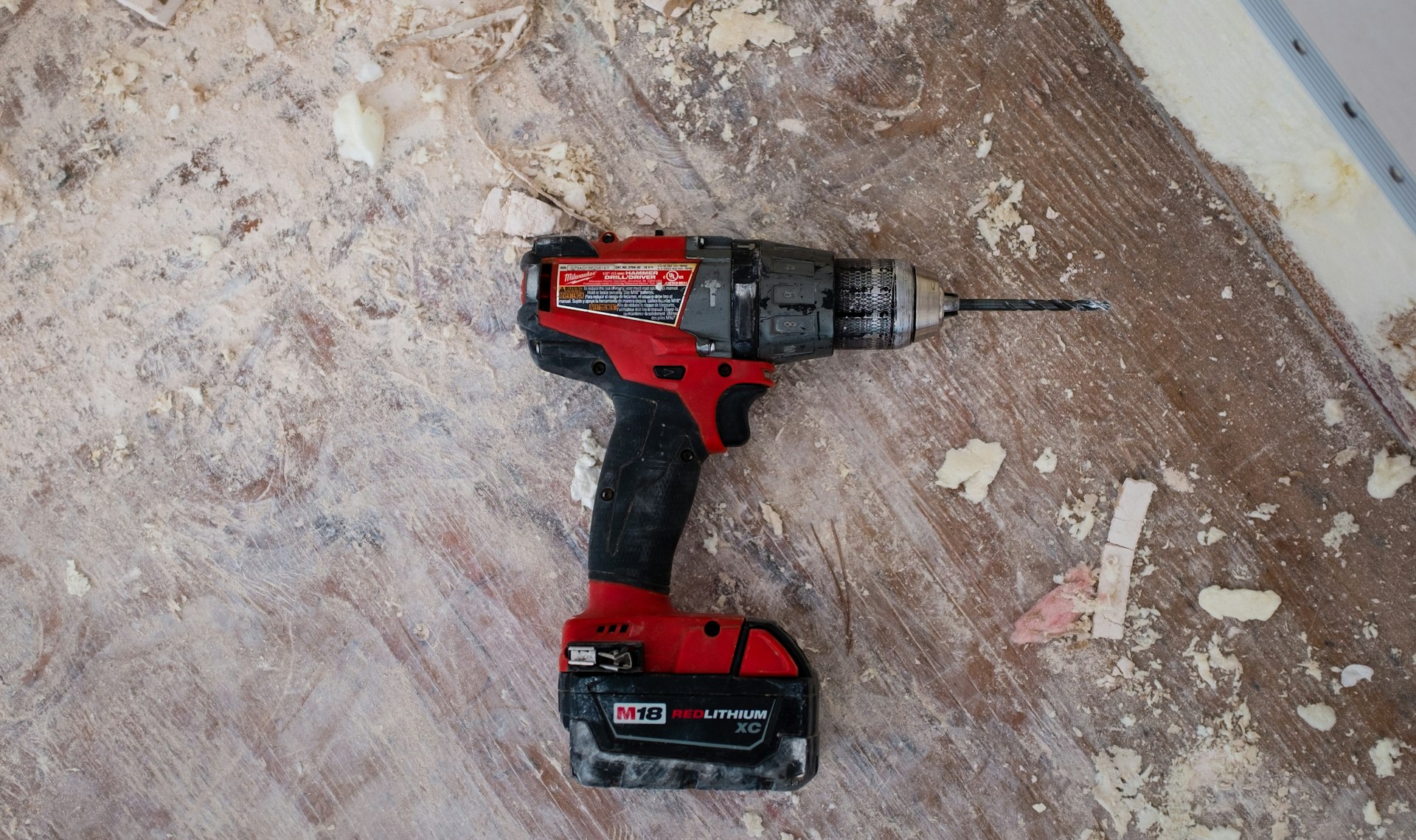
Cordless power tools have revolutionized both professional job sites and home workshops. Modern lithium-ion battery technology delivers power that rivals corded tools with the freedom of portability. Premium brands like DeWalt, Milwaukee, Makita, and Bosch command high prices new, but the used market offers substantial savings—often 40-60% off retail.
Top Recommended Cordless Power Tools
Based on our research, here are the best cordless drills and impact drivers:
DeWalt 20V Max Drill Kit
Professional-grade drill with brushless motor and 2 batteries
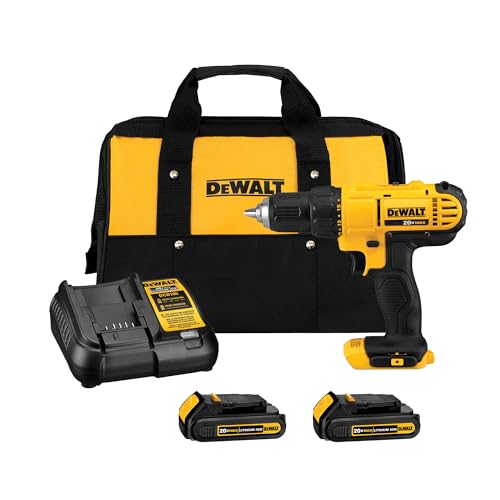
$99.00 on Amazon
DeWalt 20V Max Impact Driver Kit
High-torque impact driver for demanding fastening jobs

$149.00 on Amazon
Milwaukee M18 Fuel Drill/Driver
Industry-leading brushless performance and durability

$283.49 on Amazon
Milwaukee M18 Fuel Impact Driver
Compact powerhouse with hydraulic mode for precision

$134.99 on Amazon
Makita 18V LXT Drill
Legendary reliability with efficient brushless motor

$205.74 on Amazon
Makita 18V LXT Drill Kit
Fast and precise brushless drill with quick-shift mode technology
$205.74 on Amazon

Ryobi ONE+ 18V Drill Kit
Best value for homeowners with huge tool ecosystem

$152.99 on Amazon
As an Amazon Associate, we earn from qualifying purchases.
However, power tools are workhorses that endure significant stress. Motors wear, brushes degrade, chucks develop runout, and batteries lose capacity. A tool that appears functional might fail under load or have batteries that won't hold a charge. Understanding what to test and how to evaluate condition is essential for smart used purchases.
This guide covers testing procedures for cordless drills, impact drivers, circular saws, and other battery-powered tools. You'll learn to evaluate motor condition, test battery health, and identify signs of abuse. Whether you're building a workshop or replacing worn tools, these testing methods will help you buy with confidence.
Understanding Cordless Tool Types
Different tool types have specific testing considerations:
Drills & Drill/Drivers
- •Chuck runout is critical
- •Test all speed settings
- •Verify clutch positions work
- •Check hammer function if applicable
Impact Drivers
- •Impact mechanism must engage properly
- •Hex collet should grip firmly
- •Listen for smooth impact operation
- •Test under load for full torque
Circular Saws
- •Blade guard must retract smoothly
- •Check base plate for damage
- •Verify bevel adjustment works
- •Test blade lock mechanism
Reciprocating Saws
- •Blade clamp must grip securely
- •Check orbital action settings
- •Shoe adjustment should work
- •Listen for smooth reciprocating motion
Testing Equipment
Must-Have Items
- •Scraps of wood for testing
- •Various screws and lag bolts
- •Drill bits in good condition
- •Multimeter for battery testing
- •Flashlight for inspection
- •Your own charger (if compatible)
Nice-to-Have Items
- •Battery capacity tester
- •Dial indicator for runout
- •Torque tester or known reference
- •Infrared thermometer
- •Compatible blades for saws
Visual Inspection
Power tools reveal their history through visual wear patterns.
Housing Condition
Examine the tool body for cracks, especially around the motor housing and handle. Minor scuffs are normal for used tools; structural cracks are concerning. Check that housing screws are present and not stripped—missing screws suggest repair attempts.
Air Vents
Look inside the cooling vents with a flashlight. Heavy sawdust buildup indicates poor maintenance. You should see the motor and brushes (on brushed tools). Burnt smell or visible damage inside is a serious red flag.
Warning Signs:
Burn marks, melted plastic, excessive dust buildup, or evidence of water damage indicate tools that have been abused or operated beyond their limits. These issues often lead to premature failure.
Rubber and Grip
Check rubber overmold grips for tears or separation. Quality tools have durable grips, but extreme use wears them down. Sticky or degraded rubber indicates age and chemical exposure.
Battery Testing
Batteries are often the most expensive component and wear with use.
Visual Battery Inspection
Check batteries for physical damage, swelling, or corrosion on contacts. Swollen batteries are dangerous and must be replaced. Verify the battery locks securely into the tool without wobbling.
Charge Level Indicator
Most quality batteries have fuel gauge buttons. Check the indicated charge level and compare to actual runtime. Batteries showing full charge but running down quickly have degraded cells.
Battery Capacity Expectations:
- • New batteries: 100% of rated capacity
- • 1-2 years use: 80-90% capacity
- • 2-4 years use: 60-80% capacity
- • 4+ years: 40-60% capacity (replace soon)
Load Testing
Run the tool under load until the battery depletes. A 5Ah battery should provide roughly 5 hours of intermittent drilling or 30-45 minutes of continuous circular saw use. Significantly shorter runtime indicates worn cells.
Charging Test
If possible, charge the battery completely and time it. Batteries should charge in the manufacturer's specified time. Very fast charging (battery barely depleted) or extremely slow charging (failing cells) are concerns.
Motor Testing
The motor is the heart of any power tool. Test it thoroughly.
Brushed vs Brushless
Brushless motors are more reliable and longer-lasting. Brushed motors have carbon brushes that wear out after 50-200 hours of use. Brushless tools command higher prices but require less maintenance.
Motor Sounds
Run the tool at various speeds and listen. Smooth operation indicates good condition. Grinding, squealing, or irregular sounds suggest bearing wear or motor damage. Compare sounds to YouTube videos of the same model new.
Brush Inspection
On brushed tools, locate the brush caps (usually on the motor housing). If accessible, check brush length. New brushes are typically 10-15mm; brushes under 5mm need replacement soon. Excessive sparking visible through vents indicates worn brushes.
Heat Buildup
Run the tool under moderate load for 5-10 minutes. It should get warm but not hot to touch. Excessive heat indicates motor wear, bearing problems, or insufficient cooling from blocked vents.
Chuck & Collet Testing
The business end of the tool must hold bits securely and run true.
Chuck Operation (Drills)
Open and close the chuck through its full range. It should move smoothly without grinding. Keyless chucks should grip firmly when hand-tightened. Test with various bit sizes to ensure all three jaws engage evenly.
Runout Testing
Insert a known-straight bit and spin slowly. Watch the tip—it should rotate with minimal wobble. Significant runout (wobble) causes poor hole quality and faster bit wear. Professional-grade: under 0.002"; acceptable: under 0.005".
Hex Collet (Impact Drivers)
Impact driver collets should click bits firmly into place. Test with various 1/4" hex bits. The bit should not pull out without pressing the release collar. Worn collets allow bits to slip under high torque.
Blade Lock (Saws)
Circular and reciprocating saw blade locks must engage firmly. Test blade installation and removal. Worn locks can allow blades to spin loose—extremely dangerous during operation.
Trigger & Speed Control
Variable speed triggers enable precise control—test this critical feature.
Variable Speed Response
Squeeze the trigger slowly from rest to full speed. The tool should respond smoothly and proportionally. Jerky response, dead spots, or failure to respond at low squeeze indicates trigger switch problems.
Speed Settings
Test all mechanical speed settings (if equipped). Each setting should provide noticeably different speeds. Verify the selector switch moves positively between positions without sticking.
Forward/Reverse
Test the direction switch in both positions. It should click positively and the tool should respond correctly. Some switches have a center "off" position—verify this works as a safety lockout.
Brake Function
Modern tools have electric brakes that stop rotation quickly. Release the trigger at full speed—the tool should stop within a second or two. Slow stopping or coasting indicates worn or failed brake.
Load Testing
Tools must perform under actual working conditions. Test with real materials.
Drilling Test
Drill multiple holes in hardwood or construction lumber. The tool should maintain speed without excessive bogging down. Compare power to your expectations based on specifications. Test with large (1" or bigger) bits for demanding applications.
Impact Driver Test
Drive large lag screws (3/8" x 3" or bigger) into solid wood. The impact mechanism should engage with a distinct hammering sound. The tool should drive screws fully without stalling. Test removal of over-torqued screws.
Saw Cutting Test
Make several cuts through appropriate material. Circular saws should cut 2x lumber smoothly. The motor should maintain speed without excessive bogging. Listen for smooth blade rotation without vibration.
Expected Performance:
- • 18V drill: Easily drills 1" holes in hardwood
- • 18V impact: Drives 3" lag screws in seconds
- • 18V circular saw: Clean cuts through 2x4 lumber
- • 18V reciprocating saw: Cuts demolition materials
Brand Considerations
Different brands have different strengths and considerations:
DeWalt (Yellow)
- •20V Max / 60V FlexVolt platform
- •Excellent parts availability
- •Watch for older 18V NiCad tools
- •Common issue: battery latch wear
Milwaukee (Red)
- •M18 / M12 platform
- •Strong brushless lineup
- •Fuel line is premium
- •High resale value
Makita (Teal)
- •18V LXT / 40V XGT platform
- •Known for durability
- •Huge tool variety
- •Slightly lower torque vs competitors
Ryobi (Green)
- •ONE+ 18V platform since 1996
- •Huge tool ecosystem
- •Good for homeowners
- •Lower duty cycle than pro brands
Bosch (Blue)
- •18V platform with German engineering
- •Excellent ergonomics and balance
- •Strong in rotary hammers
- •Smaller tool selection vs competitors
Quick Testing Checklist
Use this interactive checklist during your inspection:
Used Power Tool Pricing Guide
Tool-only prices (no battery) are lower; kits with batteries command premiums:
| Tool Type | Fair Used Price | Notes |
|---|---|---|
| 18/20V Drill (tool only) | $40-80 | Pro brands, brushless |
| 18/20V Impact Driver (tool only) | $50-100 | Pro brands, brushless |
| Drill/Impact Combo Kit | $150-300 | With 2 batteries, charger |
| 18/20V Circular Saw | $60-120 | Tool only, pro brands |
| 18/20V Reciprocating Saw | $50-100 | Tool only, pro brands |
| 5Ah Battery | $50-80 | Pro brands, good condition |
| Multi-Tool Kit (5+ tools) | $300-600 | With batteries, bags |
Negotiation Factors
- •Worn batteries: Deduct $50-100 per battery
- •Missing charger: Deduct $30-60
- •Brushed vs brushless: Brushed worth 30-40% less
- •Chuck runout: Deduct $20-40 for excessive wobble
- •Older generation: 20-30% less than current model
- •With case and accessories: Add $20-50 value
Final Verdict: Should You Buy?
Buy It If:
- • Motor runs smooth and quiet
- • Chuck/collet grips firmly
- • Batteries hold charge well
- • Performs under load
- • From reputable brand
Negotiate If:
- • Batteries degraded
- • Missing charger/case
- • Minor cosmetic damage
- • Brushed motor (vs brushless)
- • Older model generation
Walk Away If:
- • Motor grinding or sparking
- • Severe chuck runout
- • Trigger unresponsive
- • Overheats under use
- • Housing cracked
Expert Tip: Battery Platform Value
The biggest advantage of major tool brands is their battery platform. Once you own batteries and a charger for DeWalt, Milwaukee, or Makita, buying additional bare tools becomes very economical. Consider the platform you want to invest in long-term. A $50 bare tool that fits your existing batteries is often a better deal than a $150 kit for a brand you don't own.