
Why Test a Used Bread Machine?
Bread machines offer the convenience of fresh, homemade bread with minimal effort. These appliances were extremely popular in the 1990s and 2000s, meaning the used market is filled with everything from barely-used premium models to well-worn budget units. A quality bread machine can produce delicious loaves for decades, while a problematic one will frustrate you with failed batches and inconsistent results.
Recommended Products
Based on our research, here are some top picks:
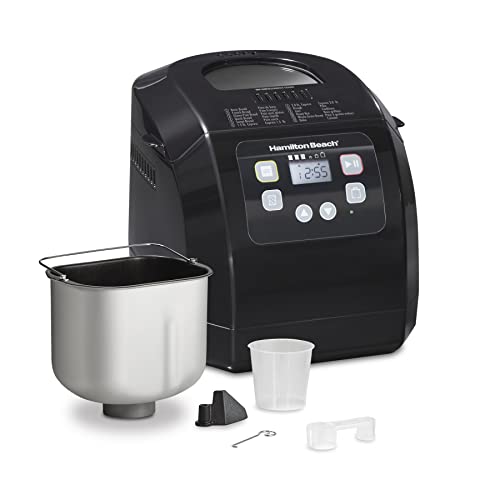
under $250 on Amazon

under $250 on Amazon

under $500 on Amazon
As an Amazon Associate, we earn from qualifying purchases.
Unlike simpler kitchen appliances, bread machines combine heating elements, motorized kneading mechanisms, temperature sensors, and programmable controls. Each system must work correctly and in proper timing for successful baking. A bread machine with a weak heating element will produce pale, undercooked loaves. A worn kneading paddle or motor will fail to develop gluten properly, resulting in dense, brick-like bread.
This comprehensive guide walks you through evaluating every critical component of a used bread machine. From testing heating consistency to verifying paddle attachment, these checks will help you identify machines that will reliably produce perfect loaves. The best part about buying a used bread machine is that many quality models from Zojirushi, Panasonic, and Breville can be found at a fraction of their original cost.
Testing Tip
The ideal test is an actual bread-baking cycle, which takes 3-4 hours. If this isn't possible, the tests in this guide will reveal most potential issues. Bring simple ingredients for a basic white bread recipe if you can negotiate a full test.
Heating System Evaluation
The heating element is responsible for both the warm proofing environment and the actual baking. Heating failure is one of the most common bread machine problems and is typically not economical to repair.
Visual Inspection
Remove the bread pan and look inside the baking chamber. The heating element is typically located at the bottom or around the sides. Look for any visible damage, discoloration (beyond normal browning), or corrosion. Check for any debris or buildup that could affect heating performance.
Heating Test
With the empty pan inserted, run a bake-only cycle or use the express/rapid setting. After 10-15 minutes, carefully check if the machine is generating heat. The chamber should become noticeably warm. Do not touch the heating element directly. If no heat is produced after 15 minutes, the heating system is likely failed.
Temperature Consistency
If possible, use an oven thermometer placed in the chamber during a bake cycle. Bread machines typically bake at 300-350°F (150-175°C). While exact temperatures vary by model, the machine should maintain relatively consistent heat. Wild temperature fluctuations indicate thermostat problems.
Good Heating Signs
- • Quick heat-up during bake cycle
- • Even browning on previous loaves
- • Clean heating element
- • Consistent temperature
- • No burning odors
Warning Signs
- • No heat production
- • Uneven heating
- • Visible element damage
- • Burnt smell during operation
- • History of pale loaves
Motor & Kneading System
The motor drives the kneading paddle that develops gluten in the dough. A weak or failing motor cannot handle thick doughs, resulting in poor bread texture and rise.
Motor Sound Check
Start a kneading cycle with the pan installed (empty is fine for initial testing). Listen carefully to the motor. It should produce a steady, consistent hum that changes appropriately as it works. Grinding, clicking, or straining sounds indicate motor bearing wear or gear problems.
Torque Test
While the machine is kneading, the paddle should move with authority. If you can easily stop the paddle by applying light pressure to the dough (when present), the motor may be underpowered or failing. Quality bread machines have motors that can handle stiff whole wheat doughs without strain.
Belt or Gear Drive
Most bread machines use belt drives; some premium models use direct gear drives. Belt-driven machines may develop slipping as belts wear. Listen for squealing that indicates belt slippage. Gear-driven machines are generally more reliable but may develop gear wear over time.
Rotation Consistency
Watch the paddle rotation during kneading. It should maintain consistent speed without hesitation or stalling. Some machines alternate directions - this is normal. Any jerky motion or stops during kneading indicate mechanical problems.
Motor Lifespan Note
Bread machine motors typically last 10-20 years with normal home use. Commercial or heavy daily use significantly reduces lifespan. Ask about usage frequency when evaluating older machines.
Bread Pan & Paddle Assessment
The bread pan and kneading paddle are the primary wear items in a bread machine. These components can often be replaced, but costs vary significantly by brand and availability.
Non-Stick Coating Inspection
Examine the pan's interior non-stick coating carefully. Look for scratches, chips, or areas where the coating has worn through to bare metal. Minor wear is acceptable, but extensive damage means bread will stick and the pan needs replacement. Check both the bottom and sides of the pan.
Pan Sealing Check
The pan must seal properly where the drive shaft passes through the bottom. Fill the pan with water and let it sit for 10-15 minutes. Any leaking indicates worn seals that will allow dough to enter the mechanism, potentially causing serious damage. Some pan leak is a dealbreaker.
Paddle Condition
The kneading paddle should fit securely on the drive shaft with minimal wobble. Check the paddle's non-stick coating and structural integrity. Worn paddles may not knead effectively. Most machines use a single paddle; some premium models have two. Verify all paddles are present and in good condition.
Pan Engagement
Insert the pan into the machine and twist to lock. The pan should click firmly into place with no excessive play. During operation, the pan must remain securely positioned. Any looseness allows the pan to move during kneading, potentially damaging both pan and machine.
Replacement Part Costs
| Generic replacement pan | $25-45 |
| OEM replacement pan (popular brands) | $35-70 |
| Zojirushi/Premium brand pan | $50-90 |
| Kneading paddle | $10-30 |
Control Panel Testing
The control panel manages all machine functions including program selection, crust color, loaf size, and delayed start. Button or display failures limit usability.
Button Response Check
Press every button on the control panel and verify each responds correctly. Buttons should have tactile feedback and register on the display. Pay special attention to the Start/Stop button, which experiences the most wear. Unresponsive buttons often cannot be repaired economically.
Display Function
Check that all display segments work. LCD displays should show clear, complete text without missing segments or faded areas. Cycle through different programs to verify all display elements function. The display should show time remaining during operation and cycle status.
Timer Testing
Set the delayed start timer for the maximum duration. Verify the timer counts down correctly. Some machines allow 13+ hours of delay. If the timer function matters to you (for fresh bread in the morning), this test is essential. Timer electronics can fail independently from other functions.
Keep Warm Function
Most machines include a keep-warm cycle that activates after baking. Verify this function engages properly by observing the display after a bake cycle completes (or confirming with the seller). The keep-warm prevents moisture accumulation on finished bread.
Program Cycle Testing
Bread machines offer various programs for different bread types, each with unique timing sequences. Testing program functionality ensures the machine can actually make bread.
Basic Program Initiation
Select the basic white bread program and press start. The machine should begin the initial mixing/kneading phase within seconds. Listen for motor engagement and watch for paddle rotation. The display should show the estimated completion time. Cancel the program after verifying it starts correctly.
Specialty Program Check
If you plan to use specialty programs (whole wheat, dough only, jam, etc.), test that each can be selected and started. Different programs have different timing, so display times should vary. This confirms the programming is intact and all cycles are available.
Crust and Size Settings
Cycle through crust color options (light, medium, dark) and loaf size settings (typically 1, 1.5, 2 pound). Each selection should register on the display. These settings affect bake time and temperature, so proper function matters for consistent results.
Express/Rapid Cycle
Express cycles produce bread in 1-2 hours instead of 3-4. If time is important to you, verify this program works. Express cycles run higher temperatures and faster kneading, testing the machine's capabilities. Success on express cycles indicates overall machine health.
Dispensers & Special Features
Higher-end bread machines include automatic dispensers for add-ins like nuts, seeds, and dried fruit. These features add convenience but also potential failure points.
Fruit & Nut Dispenser
If equipped, open the dispenser compartment and check for stuck residue or mechanical damage. The dispenser should open and close smoothly. During a cycle, the dispenser automatically opens at the correct time - confirm this timing mechanism works if possible. Manual dispensing (adding ingredients when the machine beeps) is an acceptable workaround.
Yeast Dispenser
Premium machines like some Zojirushi models have separate yeast dispensers that release yeast at the optimal time. This is especially important for delayed start cycles. Test that the dispenser mechanism moves freely. Verify the compartment seals properly to keep yeast dry.
Viewing Window
The lid's viewing window lets you monitor bread progress. Check that the window is clear and not hazed or yellowed from heat exposure. Verify the lid closes securely and any latches function properly. Heat escape from a poorly-sealing lid affects baking quality.
Recipe Book & Accessories
Ask if the original manual and recipe book are included. These resources are valuable for learning machine-specific ratios and techniques. Many can be found online as PDFs, but having originals is convenient. Check for included accessories like measuring cup/spoon or extra paddle.
Full Baking Test
If circumstances allow, a complete bread-making cycle is the ultimate test. Bring ingredients for a simple white bread recipe (or use the seller's) to evaluate real-world performance.
Basic White Bread Test Recipe
For 1.5 lb loaf:
- • 1 cup warm water
- • 2 tablespoons butter or oil
- • 3 cups bread flour
- • 3 tablespoons sugar
- • 1.5 teaspoons salt
- • 2 teaspoons active dry yeast
Kneading Phase Observation
Watch the first 15-20 minutes of kneading. The machine should form a smooth ball of dough that pulls cleanly from the sides. If dough sticks badly or the paddle can't incorporate all ingredients, motor or paddle issues may be present. The dough should look cohesive before rising begins.
Rise Verification
After the first rise phase (typically 45-60 minutes into the cycle), the dough should have roughly doubled in size. This confirms the machine maintains proper proofing temperature. Insufficient rise may indicate temperature control problems rather than recipe issues.
Finished Loaf Evaluation
The completed loaf should have an evenly browned crust matching the selected setting. The bread should release easily from the pan. When cut, the interior should show even crumb structure without dense spots or large holes. The paddle hole in the bottom is normal and should be small if the paddle is properly shaped.
Signs of a Good Loaf
- • Domed top without collapse
- • Even crust color on all sides
- • Fine, even crumb texture
- • Easy release from pan
- • Good rise (fills most of pan)
Bread Machine Brand Guide
Brand reputation affects reliability, part availability, and expected lifespan. Here's what to know about major bread machine manufacturers.
Zojirushi
The premium standard for bread machines. Known for exceptional build quality, dual paddles, and horizontal pan design that produces conventional loaf shapes. Parts remain available for years. Worth paying more for a used Zojirushi.
Key tests: Dual paddle engagement, yeast dispenser, pan seal integrity
Compare Zojirushi machines on AmazonPanasonic (Bread Bakery)
Long-standing quality brand with reliable machines. Known for yeast dispensers and consistent results. Some models discontinued but parts available. Excellent choice for the price.
Key tests: Yeast dispenser mechanism, pan coating, motor performance
Compare Panasonic machines on AmazonBreville
Premium Australian brand with feature-rich machines. Custom cycle programming and excellent displays. Good build quality but parts can be expensive. Recent models hold value well.
Key tests: Display function, program customization, fruit/nut dispenser
Compare Breville machines on AmazonCuisinart
Reliable mid-range option with good feature sets. Convection models offer superior browning. Good customer support and reasonable parts pricing. Solid choice for regular home use.
Key tests: Convection function (if equipped), pan coating, button response
Compare Cuisinart machines on AmazonHamilton Beach
Budget-friendly option that performs well for basic bread. Limited program options but reliable for white and wheat breads. Generic replacement pans available cheaply. Good starter machine.
Key tests: Motor strength, heating element, pan condition
Compare Hamilton Beach machines on AmazonBlack+Decker
Entry-level machines with basic functionality. Decent for occasional use but not designed for heavy duty. Widely available and cheap to replace. Good for testing if bread making suits you.
Key tests: All basic functions, heating consistency, pan seal
Compare budget bread makers on AmazonUsed Bread Machine Pricing Guide
Bread machine values depend heavily on brand, condition, and completeness. Premium brands hold value better than budget options.
| Category | Condition | Price Range | % of Retail |
|---|---|---|---|
| Budget Models (Under $80 new) | |||
| Hamilton Beach, B+D | Excellent | $20-35 | 30-45% |
| Hamilton Beach, B+D | Good | $10-20 | 15-25% |
| Mid-Range ($80-$200 new) | |||
| Cuisinart, West Bend | Excellent | $40-80 | 40-50% |
| Cuisinart, West Bend | Good | $25-45 | 25-35% |
| Premium ($200-$400 new) | |||
| Zojirushi, Breville | Excellent | $100-180 | 45-55% |
| Zojirushi, Breville | Good | $60-110 | 30-40% |
| Professional/Specialty ($350+ new) | |||
| Zojirushi Virtuoso | Excellent | $150-250 | 45-60% |
| Zojirushi Virtuoso | Good | $100-160 | 30-45% |
Value Adds
- • Original manual/recipes (+$5-10)
- • Extra pan or paddle (+$15-30)
- • Like-new pan coating (+10%)
- • Original packaging (+$5-10)
- • Barely used (under 20 loaves)
Price Reductions
- • Worn pan coating (-$15-30)
- • Missing paddle (-$10-20)
- • Display issues (-25-40%)
- • Button problems (-20-30%)
- • Unknown baking history (-15%)
Final Testing Checklist
Complete this checklist during your evaluation. Check off items as you verify them. Unchecked items indicate potential concerns.
Ready to find your used bread machine?
Compare Bread Machines on Amazon