
Why Test a Used Electric Chainsaw?
Electric chainsaws have revolutionized yard work, offering the power of traditional gas models without the noise, fumes, and maintenance headaches. The used market is filled with quality electric chainsaws, from professional-grade Makita and Milwaukee models to consumer-friendly Greenworks and EGO units. However, these powerful tools require careful evaluation before purchase.
Recommended Products
Based on our research, here are some top picks:
EGO POWER+ 16" Chainsaw (CS1611) -
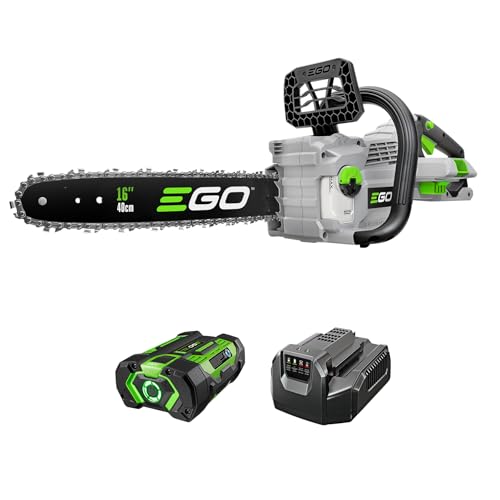
under $250 on Amazon
Greenworks 80V 18" Brushless Chainsaw -

under $500 on Amazon
Milwaukee M18 FUEL 16" Chainsaw Kit -

under $500 on Amazon
As an Amazon Associate, we earn from qualifying purchases.
A chainsaw is inherently dangerous, making safety feature inspection absolutely critical. Motors can burn out from overuse, chains can be damaged from contact with soil or rocks, and batteries can suffer significant degradation. The oiler system, often overlooked, is essential for proper chain function and bar life. A chainsaw with a failing oiler will quickly destroy its bar and chain.
This comprehensive guide covers every aspect of used electric chainsaw evaluation, from motor performance testing to safety system verification. Whether you're looking at a powerful 18-inch battery-powered model for serious tree work or a compact 10-inch corded unit for light pruning, these testing procedures will help you identify problems before they become your problems.
Safety Warning
Chainsaws are dangerous tools. Never test a chainsaw without proper protective equipment including safety glasses, hearing protection, work gloves, and steel-toed boots. If possible, have an experienced user demonstrate the saw before testing yourself.
Motor & Power System Evaluation
The motor is the heart of an electric chainsaw, and brushless motors have become the standard in quality models. Understanding motor condition helps predict remaining tool life and cutting performance.
Brushless vs. Brushed Motors
Modern electric chainsaws typically use brushless motors, which offer superior efficiency, power, and longevity. Brushed motors, found in older or budget models, require brush replacement and generally have shorter lifespans. Check the specifications to know which type you're evaluating.
Motor Startup Test
Start the chainsaw (with the chain brake engaged) and listen carefully. A healthy motor should start instantly with a smooth, consistent whine. Any grinding, clicking, or hesitation indicates bearing wear or internal damage. The motor should accelerate smoothly when the trigger is pulled progressively.
Power Delivery Check
With the chain brake released, run the saw at full throttle for 15-20 seconds. The chain should reach maximum speed quickly and maintain consistent velocity. Any fluctuation in chain speed suggests motor issues, battery problems, or electronic speed controller (ESC) faults.
Healthy Motor Signs
- • Instant startup response
- • Smooth, consistent whine
- • No vibration beyond normal
- • Consistent chain speed
- • Quick acceleration
- • No overheating during use
Warning Signs
- • Grinding or clicking sounds
- • Hesitation on startup
- • Burning smell during use
- • Speed fluctuations
- • Excessive vibration
- • Motor cuts out under load
Chain & Bar Assessment
The chain and bar are wear items, but their condition reveals how the saw was used and maintained. Severe wear or damage can indicate abuse that may have affected other components.
Chain Condition Inspection
Examine the cutting teeth closely. Each tooth should have similar size and sharpening angle. Uneven teeth suggest improper sharpening technique. Look for broken or missing teeth, which indicate the chain struck metal or concrete. Check the depth gauges (rakers) - if they're worn flush with the teeth, the chain needs replacement.
Chain Stretch Test
Chains stretch over time and use. Properly tensioned, the chain should lift slightly off the bar (about 1/4 inch) but snap back into the groove. If the chain hangs loosely even at maximum tension, it's stretched beyond use. Minor stretch is normal; severe stretch means replacement.
Bar Condition Check
The guide bar suffers wear from constant chain friction. Examine the bar groove for excessive wear, which appears as widening or uneven depth. Check the bar nose sprocket (if equipped) for smooth rotation and proper lubrication. Look for bends, burrs, or cracks along the bar rails.
Chain & Bar Compatibility
Verify the chain matches the bar specifications. Check the pitch (distance between links), gauge (thickness of drive links), and number of drive links. Mismatched components cause poor cutting and dangerous operation. Note these specifications for future replacement.
Replacement Cost Consideration
A new chain costs $15-40 and a new bar costs $25-60, depending on length. Factor these costs into your offer if replacement is needed. Complete chain and bar kits often offer better value than individual components.
Battery System Testing (Cordless Models)
For battery-powered chainsaws, the battery system often represents 30-50% of the tool's value. Thorough battery evaluation is essential for assessing true value and usability.
Physical Battery Inspection
Examine the battery case for cracks, bulging, or deformation. Check the terminals for corrosion, bent pins, or burn marks. Inspect the battery latch mechanism for proper engagement. Look for any signs of moisture intrusion or chemical leakage.
Charge Cycle Test
Request a full charge-discharge-charge cycle before testing. A healthy battery should charge to full capacity within the manufacturer's stated time (typically 45-90 minutes for fast chargers). Batteries that take significantly longer or won't reach 100% have degraded cells.
Runtime Evaluation
The most accurate battery test is actual cutting time. For a typical 5Ah battery on a 16-inch saw, expect 30-45 minutes of intermittent cutting when new. Reduce expectations by 20-30% for batteries 2-3 years old. If the seller has multiple batteries, test each one - they may have different health levels.
Battery Age Determination
Most lithium batteries have manufacture dates printed on labels or encoded in serial numbers. Milwaukee batteries show date codes starting with the production year. DeWalt uses alphanumeric codes. EGO and Greenworks typically stamp dates directly. Batteries over 3 years old warrant extra scrutiny.
Battery Replacement Costs
| Milwaukee M18 6.0Ah | Under $250 |
| DeWalt 60V MAX 6.0Ah | Under $250 |
| EGO 56V 5.0Ah | Under $250 |
| Greenworks 80V 4.0Ah | Under $250 |
Safety Features Verification
Chainsaw safety features are non-negotiable. A saw with compromised safety systems should be rejected or repaired before use. Test each safety mechanism thoroughly.
Chain Brake Testing
The chain brake is the most critical safety feature. It should stop the chain instantly when activated. Test by running the saw at idle and pushing the front hand guard forward. The chain should stop within a fraction of a second. Some models have inertia-activated brakes that engage automatically during kickback - test this by sharply tilting the saw (when off) and checking brake engagement.
Throttle Lockout
The throttle trigger should not engage unless the lockout button on the handle is depressed first. This prevents accidental activation. Try pulling the trigger without pressing the lockout - it should not move. Then verify smooth operation when properly engaged.
Low Kickback Chain Verification
Modern chainsaws often come with low-kickback chains that have modified tooth geometry. While these chains cut slightly slower, they significantly reduce kickback risk. Check if the chain has the American National Standards Institute (ANSI) low-kickback marking.
Chain Catcher Inspection
The chain catcher is a metal or plastic hook at the bottom of the saw designed to catch a broken or derailed chain. Verify it's present and securely attached. Missing or damaged chain catchers should be replaced before use.
Safety Deal-Breakers
- • Non-functional chain brake
- • Broken throttle lockout
- • Missing chain catcher
- • Damaged hand guards
- • Modified safety features
Automatic Oiler System Inspection
The automatic oiler keeps the chain lubricated during operation. A failing oiler leads to rapid chain and bar wear, overheating, and potential chain breakage. This often-overlooked system is essential for chainsaw longevity.
Oil Reservoir Check
Inspect the oil reservoir for cracks and proper sealing. Fill with bar and chain oil (not motor oil) to the proper level. Check that the cap seals properly and the reservoir doesn't leak when the saw is tilted or during operation.
Oil Flow Test
This is the critical test. With oil in the reservoir, hold the saw over a piece of cardboard or concrete and run at full throttle for 10-15 seconds. Oil should sling off the bar tip, creating a visible line on the surface below. No oil output indicates a blocked or failed oiler pump.
Oil Port Inspection
With the bar and chain removed, locate the oil delivery port. It should be clean and show fresh oil when the saw runs. Packed sawdust or debris can block this port. Clean with a thin wire or compressed air if accessible.
Adjustable Oiler Check
Many quality saws have adjustable oiler output. Locate the adjustment screw (usually marked with oil drop symbols) and verify it moves freely and affects oil delivery. Test at minimum and maximum settings to confirm the adjustment range works.
Housing & Ergonomics Assessment
The physical condition of the chainsaw body reveals usage patterns and affects both safety and comfort during operation. Evaluate all handles, guards, and housing components.
Handle Condition
Both handles should be firmly attached with no play or looseness. Check the rubberized grip surfaces for wear, cracks, or deterioration. Test the wrap-around front handle for any stress cracks where it meets the body. The handles should feel comfortable and secure when gripping in cutting position.
Housing Integrity
Inspect the main housing for cracks, especially around mounting points and high-stress areas. Check that all covers fit properly and latch securely. Missing screws or loose panels indicate potential neglect. The bar cover should attach firmly and align correctly.
Chain Tension Mechanism
Modern saws often feature tool-free chain tensioning. Test the mechanism for smooth operation and proper engagement. The tensioner should hold the chain at the set tension without loosening during use. Traditional screwdriver-adjustment systems should turn smoothly and hold position.
Vibration Assessment
Run the saw and assess vibration levels at both handles. Some vibration is normal, but excessive shaking indicates motor imbalance or worn anti-vibration mounts. Compare to the same model if possible. Damaged anti-vibe mounts can sometimes be replaced.
Live Cutting Test
The ultimate evaluation of any chainsaw is actual cutting performance. Bring appropriate wood or request the seller provide test material. This reveals issues not apparent in other tests.
Cutting Material Preparation
Ideal test material is a 6-12 inch diameter softwood log (pine, fir, or cedar). If testing a larger saw, use correspondingly larger material. Avoid painted, treated, or dirty wood that could mask performance issues or damage the chain.
Cross-Cut Performance
Make several cross-cuts, letting the saw's weight do most of the work. A sharp chain on a healthy saw should pull itself through wood with minimal pressure. Note the chip size - large chips indicate good cutting performance while sawdust suggests a dull chain. Track time to complete cuts for comparison.
Limbing Simulation
Practice limbing motions on smaller branches (2-4 inch diameter). The saw should cut cleanly and quickly. This type of cutting tests the motor under varying loads and reveals any hesitation or bogging issues.
Motor Behavior Under Load
During cutting, listen for motor strain. A healthy motor maintains relatively consistent speed under load, adjusting only slightly during heavy cuts. Severe speed drops or stalling indicate insufficient power or motor issues. Note any unusual sounds that appear only under load.
Expected Cutting Performance
| Bar Length | 8" Log Cut Time |
|---|---|
| 10-12 inch bar | 6-10 seconds |
| 14-16 inch bar | 4-7 seconds |
| 18+ inch bar | 3-5 seconds |
Electric Chainsaw Brand Guide
Brand reputation significantly influences reliability and parts availability. Here's what to expect from major electric chainsaw manufacturers.
Milwaukee
Professional-grade battery platform with excellent dealer support. The M18 FUEL 16-inch chainsaw is a landscaper favorite. All brushless motors with strong performance.
Key tests: Battery health, brushless motor function, chain brake response
See the Milwaukee M18 FUEL chainsaw on AmazonEGO
Leading consumer battery platform with impressive power. The 56V line competes with gas saws. Batteries maintain value well but can be expensive to replace.
Key tests: Battery capacity, oiler function, bar/chain condition
See the EGO POWER+ 16" chainsaw on AmazonMakita
Professional tool brand with both 18V X2 and 36V direct platforms. Excellent build quality and parts availability. Popular among arborists for top-handle models.
Key tests: Dual-battery connection, motor bearings, safety systems
See the Makita XCU07PT 18V X2 chainsaw on AmazonDeWalt
FlexVolt 60V MAX system provides excellent power. Strong professional following. Some models offer brushed motors - verify which type before purchasing.
Key tests: FlexVolt battery function, motor type verification, chain brake
See the DeWalt FlexVolt 60V chainsaw on AmazonStihl
The legendary chainsaw brand's battery lineup. Premium pricing with professional-grade construction. Limited availability through authorized dealers only.
Key tests: Battery compatibility, oiler adjustment, chain tension system
See the Stihl MSA 60.0 C-B chainsaw on AmazonGreenworks
Consumer-focused with 40V and 80V lines. Excellent value for homeowner use. Commercial Pro line competes with professional brands at lower prices.
Key tests: Battery age, housing integrity, chain quality
See the Greenworks 80V 18" chainsaw on AmazonUsed Electric Chainsaw Pricing Guide
Fair pricing depends on condition, included accessories, and battery situation. Use these ranges as negotiation starting points.
| Category | Condition | Price Range | % of Retail |
|---|---|---|---|
| Compact Cordless (10-12" bar) | |||
| Budget models | Excellent | $60-90 | 50-65% |
| Budget models | Good | $40-60 | 30-45% |
| Mid-Size Cordless (14-16" bar) | |||
| Consumer brands | Excellent | $150-220 | 55-70% |
| Pro brands | Excellent | $220-320 | 50-65% |
| Pro brands | Good | $150-220 | 35-50% |
| Full-Size Cordless (18"+ bar) | |||
| Pro brands | Excellent | $300-450 | 50-65% |
| Pro brands | Good | $200-300 | 35-50% |
| Corded Electric (14-18" bar) | |||
| All brands | Excellent | $50-90 | 40-55% |
| All brands | Good | $30-50 | 25-35% |
Value Adds
- • Extra batteries (+$50-150 each)
- • Spare chains (+$15-30)
- • Extra bar (+$25-50)
- • Carrying case (+$20-40)
- • Sharpening kit (+$15-25)
Price Reductions
- • No batteries included (-$100-200)
- • Worn chain/bar (-$30-60)
- • Cosmetic damage (-10-20%)
- • Oiler issues (-25-40%)
- • Older battery (2+ years) (-20-30%)
Final Testing Checklist
Complete this checklist during your evaluation. Check off items as you verify them. Uncheck any problem areas.
Ready to find your used electric chainsaw?
See the EGO POWER+ Chainsaw on Amazon