
Introduction
E-readers represent one of the most durable and long-lasting categories of consumer electronics. Unlike smartphones and tablets with rapid obsolescence cycles, a quality e-reader purchased today will likely remain functional and relevant for a decade or more. This exceptional longevity makes used e-readers an outstanding value proposition, offering premium reading experiences at dramatically reduced prices.
Recommended Products
Based on our research, here are some top picks:
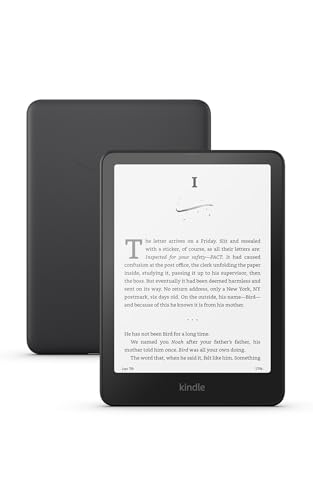
under $250 on Amazon

under $500 on Amazon
As an Amazon Associate, we earn from qualifying purchases.
The e-ink technology that powers these devices is fundamentally different from LCD or OLED displays. E-ink screens consume power only when changing content, enabling weeks of battery life on a single charge. This technology also ages differently, with specific failure modes and testing requirements that differ from traditional displays.
This guide covers testing for all major e-reader brands including Amazon Kindle, Rakuten Kobo, BOOX, Remarkable, Pocketbook, and others. Whether you're seeking a basic Kindle for beach reading or a sophisticated BOOX device for note-taking and PDF annotation, thorough testing ensures you get a device that will serve reliably for years to come.
Pro Tip: E-ink displays don't suffer from burn-in like OLED screens, but they can develop permanent ghost images from prolonged static content. Always test for ghosting during your inspection.
E-Ink Display Testing
The e-ink display is the heart of any e-reader, and its condition directly impacts your reading experience. E-ink technology presents unique testing challenges compared to traditional displays.
Understanding E-Ink Technology
E-ink displays use millions of tiny microcapsules containing black and white particles that are moved by electric fields. This technology creates a paper-like reading experience with excellent visibility in bright sunlight. Modern e-readers use advanced E Ink Carta or Kaleido (color) technology with improved contrast and refresh rates.
Checking for Ghosting
Ghosting occurs when previous images remain faintly visible on the screen. To test, display a page with text, then navigate to a completely different page or image. Look carefully for any shadow or outline of the previous content. Minor ghosting that clears with a full refresh is normal. Persistent ghosting that remains after multiple page turns or manual refreshes indicates display degradation.
Contrast and Clarity
Display a page of text and evaluate the contrast between black text and the background. Newer e-ink displays achieve significantly better contrast than older generations. Look for consistent darkness across all text without faded areas. Compare the display to product photos of the same model to gauge whether contrast has degraded.
Dead Pixels and Damage
Display a solid white page and look carefully for any dark spots or lines that don't change with page refreshes. Then display a dark or black page and look for permanently white or stuck pixels. Check the entire screen surface for any cracks, even hairline fractures that might not be immediately obvious. E-ink screens are fragile and damage often spreads over time.
Page Refresh Quality
Navigate through several pages rapidly and observe the refresh behavior. Page turns should be relatively smooth without excessive flashing. Periodic full-page refreshes (complete black-to-white transition) are normal and help clear ghosting. Excessive flashing or incomplete refreshes indicate potential display issues.
Physical Condition Assessment
E-readers are typically lightweight devices with plastic bodies, making them susceptible to certain types of damage. Thorough physical inspection helps identify issues that might affect functionality.
Body and Frame Inspection
Examine the device body for cracks, chips, or deep scratches. Pay particular attention to the corners and edges where impact damage typically occurs first. Check that the body isn't warped or bent, which could indicate the device was sat upon or crushed. Feel for any creaking or flexing when gently pressing the device.
Screen Bezel Examination
The bezel around the display is a common point of failure. Check for separation between the bezel and screen, which could allow dust and debris to enter. Look for cracks in the bezel, especially on flush-front designs where the glass extends to the edges. On older Kindles with raised bezels, verify the bezel is firmly attached.
Button Functionality
Test all physical buttons for proper function. Power buttons should click firmly and reliably wake or sleep the device. On e-readers with page turn buttons (like Kindle Paperwhite Signature Edition or Kobo Libra), verify both buttons respond consistently. Check for sticky or unresponsive buttons that might indicate internal damage or debris.
Port Condition
Inspect the charging port for bent pins, debris, or corrosion. On older devices with micro USB, check for the common issue of loose or worn-out ports. Newer USB-C ports are generally more robust. Verify the port is firmly seated and doesn't wiggle excessively.
Battery Health Evaluation
E-reader batteries typically last much longer than smartphone batteries due to minimal power consumption, but they still degrade over time. Battery testing for e-readers differs significantly from other devices.
Expected Battery Life
Modern e-readers advertise battery life in weeks rather than hours, typically claiming 4-10 weeks of use. These estimates assume 30 minutes of daily reading with WiFi off. A healthy used e-reader should still achieve several weeks of battery life under normal use. Devices requiring charging every few days have significant battery degradation.
Battery Testing Approach
Since you can't spend weeks testing battery life, focus on indirect indicators. Start with a fully charged device if possible and note the battery percentage. Use the device actively for 20-30 minutes of reading with WiFi on. Check the battery level again. A healthy battery should show minimal drain during this period. Significant drops (more than 5-10%) during active use suggest battery issues.
Charging Verification
Test the charging functionality thoroughly. Connect the charger and verify the device recognizes charging. Watch for any error messages or unusual behavior during charging. Check that the battery percentage increases as expected. Some devices display charging animations or indicators that should function properly.
Seller Usage Patterns
Ask the seller about their typical charging frequency. A well-maintained e-reader used regularly might only need weekly or bi-weekly charging. Daily charging requirements indicate substantial battery degradation that should be reflected in the price.
Touchscreen Response Testing
Most modern e-readers feature touchscreen interfaces, though some older models use physical buttons exclusively. Touchscreen testing ensures reliable navigation and interaction.
Touch Sensitivity Across Screen
Test touch response in all areas of the screen, including corners and edges. Open a book and try navigating pages by tapping different areas. Check that swipe gestures for page turning work consistently in both directions. Pay attention to any areas where touch seems unresponsive or requires multiple attempts.
Multi-Touch and Gestures
If the device supports pinch-to-zoom (common in PDF readers like BOOX), test this functionality. Verify that the screen doesn't register phantom touches when you're not touching it. Check that touch remains accurate even when your hands are dry or slightly moist, as capacitive screens can behave differently under various conditions.
Text Selection and Highlighting
Test the precision of touch for text selection. Try highlighting a specific word or passage. The selection should be accurate and adjustable. Poor touch precision makes annotation features frustrating to use. This is particularly important for academic or professional users who rely on highlighting and note-taking.
On-Screen Keyboard
Test the on-screen keyboard by searching for a book or adding a note. Keys should register reliably with minimal effort. Check for any keys that require extra force or don't respond consistently. On larger e-readers, verify that keyboard use doesn't feel cramped or awkward.
Front Light Quality Assessment
Front lighting revolutionized e-readers by enabling comfortable reading in any lighting condition. Testing the front light system is essential for devices that include this feature.
Light Evenness
In a dimly lit environment, set the front light to medium brightness and display a blank or solid page. Examine the illumination across the entire screen. Quality front lighting should be relatively even without obvious bright spots or dark patches. Some variation near the edges is common, but significant unevenness impacts reading comfort.
Brightness Range
Test the full range of brightness settings from minimum to maximum. The lowest setting should be comfortable for dark room reading without being too bright. Maximum brightness should be sufficient for dim environments without harsh glare. Verify that brightness adjustment works smoothly without flickering.
Warm Light Feature
Many modern e-readers include warm (amber) light options for comfortable nighttime reading. Test this feature by adjusting the color temperature. The warm light should produce a distinct amber or orange tint without appearing patchy. Check that both warm and cool light LEDs function correctly across all brightness levels.
Light Bleed
Examine the edges of the screen for light bleed where the front light LEDs are positioned. Some light concentration near the light source is normal, but excessive bleed creates distracting bright spots. This is most visible at lower brightness levels in dark environments.
Connectivity Testing
E-readers depend on WiFi for downloading books, syncing reading progress, and accessing online stores. Proper connectivity testing ensures full functionality.
WiFi Connection
Connect the device to an available WiFi network. Verify the connection establishes successfully and remains stable. Try browsing the bookstore or downloading a sample book to confirm data transfer works. Check that the device can reconnect automatically after being in airplane mode.
Cellular Connectivity (If Equipped)
Some Kindle models include free cellular connectivity for book downloads. If the device has this feature, test it by temporarily disabling WiFi and attempting to download content. Verify the cellular radio activates and connects properly. Note that this feature only works for Kindle store purchases, not personal documents.
USB Data Transfer
Connect the e-reader to a computer and verify it appears as a storage device. Try transferring a test file to and from the device. Check that the device charges while connected. This is crucial for users who sideload books rather than purchasing from built-in stores.
Bluetooth (If Equipped)
Devices with audiobook support include Bluetooth for headphone connection. Pair Bluetooth headphones or a speaker and test audio playback. Verify the connection remains stable and audio quality is acceptable. Test the full range of Bluetooth features including volume control.
Account and Content Considerations
E-readers are closely tied to user accounts and purchased content. Understanding account linkage is essential for a smooth ownership transition.
Account Deregistration
Verify the device has been properly deregistered from the previous owner's account. On Kindle, this means the device shows the registration screen when powered on. For Kobo, the setup wizard should appear. A device still linked to another account may have content or functionality restrictions you cannot access.
Factory Reset Verification
Request a factory reset before or during testing to ensure all previous content and settings are removed. This protects both buyer and seller's privacy and confirms the device can complete the reset process successfully. Test that you can complete the initial setup with your own account.
Content Transfer Limitations
Understand that purchased ebooks typically cannot transfer between accounts. Any content on the device belongs to the seller's account and will not be accessible once they deregister. You're purchasing the hardware only, not any digital content. Some sellers offer devices with content included, but this violates most store terms of service.
Software Updates
Check the current firmware version and verify the device can update to current software. Very old devices may no longer receive updates but can still function. Confirm that critical features like the bookstore and sync services remain active for the device model.
Brand-Specific Testing Tips
Each e-reader brand has unique features, common issues, and testing considerations. Knowing your brand helps ensure thorough evaluation.
Amazon Kindle
Kindle devices are tied to Amazon accounts and the Kindle ecosystem. Verify the device isn't reported lost or stolen, which could result in account lockout. Test Whispersync functionality for reading progress sync. Check that Special Offers (ads on lock screen) can be removed if desired (under $25 fee). Kindle Paperwhite Signature Edition models should have functioning physical page-turn buttons and auto-rotating display.
Kobo E-Readers
Kobo devices offer more flexibility with file formats and don't require purchasing from a specific store. Test ePub and PDF support directly. Verify Pocket integration for reading web articles. Check that the Kobo store is accessible and functional. Kobo Libra and Forma models should have working physical buttons and proper orientation sensing.
BOOX Devices
BOOX runs Android and offers far more functionality than traditional e-readers. Test Google Play Store access and app installation. Verify the stylus works correctly on Note models (pressure sensitivity, palm rejection). Check that the App Optimization settings are available for customizing refresh behavior. Test PDF annotation features thoroughly as this is a primary use case.
reMarkable
reMarkable focuses on note-taking rather than book reading. Test the stylus extensively for writing feel and accuracy. Verify cloud sync functionality works with your reMarkable account. Check that handwriting recognition produces accurate results. Test PDF import and annotation capabilities. Verify the device hasn't been locked to another account.
Used E-Reader Pricing Guide
E-readers hold their value reasonably well due to slow technological advancement and long functional lifespan. Use these guidelines for fair pricing.
| Model | Excellent | Good | Fair |
|---|---|---|---|
| Kindle Paperwhite (2024) | $100-$120 | $80-$100 | $60-$80 |
| Kindle Paperwhite Signature Edition (Latest) | $150-$200 | $120-$150 | $90-$120 |
| Kindle Scribe | $200-$260 | $160-$200 | $120-$160 |
| Kobo Libra 2/Colour | $120-$150 | $90-$120 | $70-$90 |
| Kobo Sage/Elipsa | $180-$230 | $140-$180 | $100-$140 |
| BOOX Note Air 3 | $300-$380 | $240-$300 | $180-$240 |
| BOOX Tab Ultra C | $400-$480 | $320-$400 | $250-$320 |
| reMarkable 2 | $250-$320 | $200-$250 | $150-$200 |
Price-Affecting Factors
- Display condition: Ghosting or screen damage drops value 20-40%
- Included accessories: Original case, charger, stylus add 10-20% value
- Storage capacity: Higher storage models command 10-15% premium
- Cellular connectivity: Free cellular adds 15-25% for Kindle models
- Generation/age: Each generation back reduces value 15-25%
Shop E-Readers
Compare prices on popular e-readers:
Complete Testing Checklist
Use this interactive checklist during your inspection to ensure thorough evaluation of every component.
Red Flags - When to Walk Away
Some issues make a used e-reader not worth purchasing. Watch for these warning signs.
Screen Cracks
Any crack in the e-ink display will spread over time
Persistent Ghosting
Ghost images that don't clear with full refresh
Account Lock
Device still linked to previous owner's account
Extreme Battery Drain
Battery drains within hours instead of weeks
Non-Functional Charging
Device won't charge or only charges intermittently
Dead Touch Zones
Areas of the screen that don't respond to touch
Damaged Front Light
Large dark areas or extremely uneven lighting
Boot Loops
Device restarts continuously without completing startup
Final Recommendations
Used e-readers offer exceptional value for avid readers. Their simple functionality and long lifespan mean even older models provide excellent reading experiences. The key is ensuring the display and battery remain in good condition.
For basic reading, a previous-generation Kindle or Kobo at 50% off retail represents outstanding value. For note-taking and advanced features, BOOX and reMarkable devices command higher prices but offer capabilities unavailable elsewhere.
Take your time testing the display in various lighting conditions, and don't overlook account deregistration. With careful inspection, your used e-reader can provide thousands of hours of comfortable reading enjoyment.