
Why Test a Used Sous Vide Cooker?
Sous vide cooking has moved from restaurant kitchens to home cooks, and the used market offers excellent opportunities to find premium immersion circulators at significant discounts. Brands like Anova, Joule, and Breville produce precision cookers that can last for years with proper care. However, these appliances face unique stresses from water exposure and heating cycles that can cause hidden problems.
Recommended Products
Based on our research, here are some top picks:
Anova Precision Cooker 2.0 -
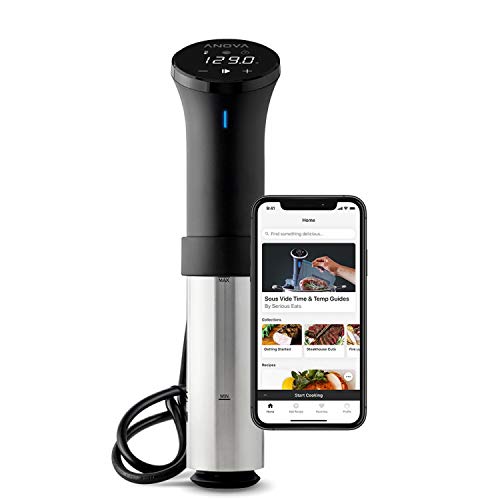
Under $250
Breville Joule Turbo -
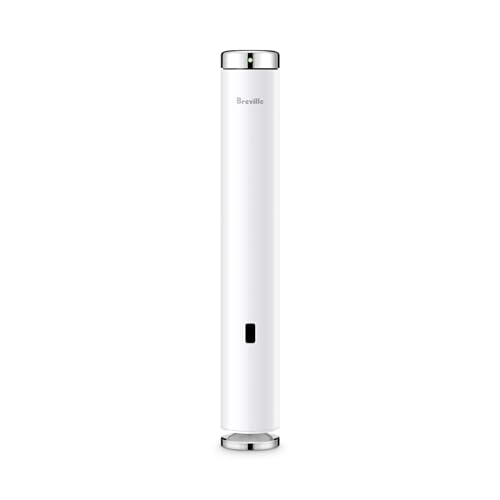
Under $250
Inkbird ISV-200W -

Under $100
As an Amazon Associate, we earn from qualifying purchases.
The critical components in a sous vide cooker are the heating element and circulation pump. Heating elements can fail or lose accuracy over time, delivering inconsistent temperatures that ruin expensive ingredients. Pumps can develop mineral buildup or bearing wear, reducing water flow and temperature consistency. Unlike visible problems, temperature inaccuracy can only be detected through proper testing.
This guide covers everything you need to evaluate a used sous vide cooker, from temperature accuracy verification to pump performance testing. Whether you're looking at a high-end Breville Joule or a budget-friendly Inkbird, these procedures will help you find a reliable unit that delivers restaurant-quality results.
Testing Tip
Bring an accurate thermometer (probe or instant-read) to verify temperature accuracy. The device's display may show the correct temperature while actual water temperature differs. A $15 thermometer can save you from buying a faulty unit.
Heating System Evaluation
The heating element determines how quickly the water bath reaches temperature and how well it maintains that temperature. Element failure is the most common issue in used sous vide units.
Heat-Up Speed Test
Fill a container with room temperature water and set the device to 140°F (60°C). A quality sous vide should heat 4-5 liters of water from 70°F to 140°F in about 15-20 minutes. Significantly slower heating indicates element degradation or scale buildup. Note the wattage - 1000W+ models heat faster than lower-powered units.
Element Inspection
If visible, examine the heating element for mineral deposits, discoloration, or physical damage. Heavy scale buildup affects heat transfer and indicates the unit was used with hard water without proper maintenance. Some units can be descaled; severe buildup may be permanent.
Power Stability
During heating, the element should draw consistent power without flickering or intermittent operation. If the device has a display showing heating status, watch for erratic on/off cycling. Unstable heating behavior suggests failing elements or control board issues.
Healthy Heating Signs
- • Quick heat-up to target temp
- • Consistent heating without gaps
- • Clean element appearance
- • No unusual smells when heating
- • Stable temperature maintenance
Warning Signs
- • Very slow heating
- • Intermittent element cycling
- • Heavy scale deposits
- • Burning smell during operation
- • Can't reach high temperatures
Pump & Circulation Testing
The circulation pump ensures even temperature distribution throughout the water bath. Poor circulation causes hot and cold spots that lead to uneven cooking.
Water Flow Check
When operating, water should flow visibly from the outlet. The flow rate varies by model, but you should see clear water movement. Place your hand near the outlet to feel the flow - it should be consistent and reasonably strong. Weak or sputtering flow indicates pump problems or blockages.
Pump Sound Assessment
A healthy pump produces a quiet, consistent hum. Listen for grinding, clicking, or rattling sounds that indicate bearing wear or debris. Some vibration is normal, but excessive noise suggests impending failure. Compare to videos of the same model if possible.
Intake Inspection
Check the water intake area for debris, scale buildup, or damage to the protective screen. Clogged intakes reduce circulation effectiveness. Some units allow removal of intake covers for cleaning - verify this mechanism works if accessible.
Minimum Water Level
Test that the low water level sensor works correctly. The unit should alert or shut off when water drops below the minimum line. A faulty sensor can allow the element to run dry, causing damage or fire risk.
Temperature Accuracy Verification
Precise temperature control is the entire point of sous vide cooking. Even small inaccuracies can affect food safety and quality. This is the most critical test for any sous vide device.
Reference Thermometer Test
Set the sous vide to a common cooking temperature like 135°F (57°C) and let it stabilize for 5-10 minutes. Measure the actual water temperature with an accurate probe or instant-read thermometer. The reading should be within ±0.5°F of the displayed temperature for quality units, or ±1°F for budget models.
Multiple Point Testing
Test at several temperatures if time permits: low (130°F/54°C), medium (145°F/63°C), and high (175°F/80°C). Temperature accuracy should be consistent across the range. Units that are accurate at one temperature but not others have calibration problems.
Temperature Stability
Once at temperature, monitor for stability over 15-20 minutes. The temperature should remain steady with minimal fluctuation. Some variation (±0.5°F) during heating cycles is normal. Wild swings or gradual drift indicate control system problems.
Recovery Test
Add cold water to drop the temperature by 5-10°F, then observe recovery. The unit should detect the temperature drop quickly and return to the target temperature within a few minutes. Slow recovery or overshoot indicates sensor or control issues.
Critical Temperature Points
These temperatures are food-safety critical. Accuracy here matters most:
- • 130°F (54°C) - Minimum safe temp for beef/lamb pasteurization over time
- • 135°F (57°C) - Common steak temperature (medium-rare)
- • 145°F (63°C) - Poultry and pork safety minimum
- • 165°F (74°C) - Instant pasteurization temperature
Controls & Display Testing
The interface must be responsive and intuitive for convenient daily use. Control issues can range from minor annoyances to safety hazards.
Display Check
Verify all display elements work correctly. LCD or LED displays should show complete, clear information without missing segments or dim areas. Touchscreen models should respond across the entire screen. Check that the display is visible at various angles.
Control Responsiveness
Test all controls: temperature adjustment, timer setting, start/stop. Physical buttons or dials should feel solid with clear feedback. Touchscreens should respond without excessive delay or multiple taps. Temperature adjustment should increment smoothly without jumping or skipping.
Timer Function
If the unit has a timer, verify it can be set accurately and counts down correctly. End-of-cook alerts should sound clearly. Some units hold temperature after time completes; others shut off. Know which behavior you're getting and verify it works.
Temperature Unit Toggle
Test switching between Fahrenheit and Celsius. The conversion should be accurate and the setting should persist through power cycles. Some recipes use one unit or the other, so this flexibility is valuable.
App & Connectivity Features
Many modern sous vide devices feature WiFi or Bluetooth connectivity for remote control and monitoring. These features add convenience but can also be points of failure.
Bluetooth Pairing
Download the manufacturer's app and attempt to pair with the device. Pairing should complete within a minute. Control temperature and timer settings from the app. Bluetooth range is typically 30-50 feet - test from another room if possible.
WiFi Connection
WiFi-enabled models should connect to your network through the app. Note that some older models may only support 2.4GHz networks. Remote access should work from outside Bluetooth range. Test starting a cook cycle remotely if the feature is advertised.
App Functionality
Check that all app features work as expected: temperature control, timer, notifications, recipe guides. Some older devices may have discontinued app support - research before buying. App-dependent features are worthless if the app no longer works with the device.
Standalone Operation
Verify the device operates fully without the app. Some models (like original Joule) require app use for some functions. Devices that can operate independently are more reliable long-term, as app support may end.
App Support Status (Research First)
- • Anova: Active iOS and Android support
- • Joule (Breville/ChefSteps): Active support
- • Older models: May have discontinued apps
- • Generic brands: App support varies widely
Build Quality Assessment
Sous vide units are exposed to water and heat constantly, making build quality essential for longevity. Inspect all physical components carefully.
Housing Condition
Examine the outer housing for cracks, warping, or discoloration. Check around seams where water could infiltrate. Plastic housings can degrade from heat exposure over time. Stainless steel components should show no significant corrosion or pitting.
Clamp Mechanism
The clamp or mounting system attaches the device to containers. Test that it grips securely without slipping. Check spring tension on adjustable clamps. The clamp should accommodate various container thicknesses. Worn or loose clamps are a safety concern.
Power Cord Condition
Inspect the power cord for damage, especially near the unit connection point and plug. Look for cuts, exposed wire, or heat damage. The cord should be flexible, not stiff or brittle. Damaged power cords are fire hazards and should be replaced.
Water Seal Integrity
The interface between the immersed portion and electronics housing must be watertight. Look for any signs of water intrusion: corrosion, mineral deposits at seams, or moisture behind displays. Water damage is typically fatal to electronics.
Full Water Test Protocol
The ultimate test combines all evaluations in actual operating conditions. Request to run a complete test cycle before purchasing.
Setup and Startup
Set up the device in a suitable container with room temperature water. Power on and set a common target temperature (135°F/57°C works well). Observe the startup sequence - the display should initialize correctly, and the pump should start immediately or within seconds.
Heat-Up Monitoring
Monitor the heating process. Temperature should rise steadily - not plateau early or heat erratically. Use your thermometer to verify displayed temperature matches actual water temperature as it heats. This catches units that heat but with poor accuracy.
Stability Period
Once at temperature, observe for at least 10-15 minutes. Check temperature at multiple locations in the container - circulation should keep the bath uniform. Listen for any changes in pump or heating sounds. The unit should maintain temperature within ±0.5°F.
Complete Cycle Test
If time permits, run a complete 30-60 minute cycle. This tests sustained operation and reveals issues that only appear after the device warms up internally. Set a timer and verify the alert functions. Check for any concerning smells, sounds, or behaviors during extended operation.
Sous Vide Brand Guide
Brand reputation affects reliability, app support, and long-term value. Here's what to expect from major sous vide manufacturers.
Anova
Market leader with multiple generations of popular devices. Excellent app support and active community. Precision Cooker Pro offers commercial-grade performance. Good parts availability and customer service.
Key tests: Bluetooth/WiFi pairing, heating element, temperature accuracy
Compare Anova sous vide on AmazonJoule (ChefSteps/Breville)
Compact, powerful design with app-focused interface. Acquired by Breville, ensuring continued support. No physical controls on original - requires app for operation. Excellent heating power and accuracy.
Key tests: App connection (required), heating speed, magnetic base function
Compare Joule sous vide on AmazonBreville
Premium kitchen appliance brand with sous vide options. Excellent build quality and customer support. Higher price point but reliable performance. Some models integrate with other Breville products.
Key tests: Display function, build quality, temperature accuracy
Compare Breville sous vide on AmazonInkbird
Budget-friendly option with solid performance. Good temperature accuracy for the price. Basic app functionality on WiFi models. Excellent value for occasional users.
Key tests: Temperature accuracy, build quality, pump performance
Compare Inkbird sous vide on AmazonKitchen Gizmo / Budget Brands
Various budget options with varying quality. Can offer good value but less consistent. Limited or no app support. Focus testing on core functionality: heating and temperature accuracy.
Key tests: Temperature accuracy (critical), pump function, build quality
Compare budget sous vide on AmazonUsed Sous Vide Pricing Guide
Sous vide prices have dropped significantly, affecting used values. Premium brands hold value better than budget options.
| Category | Condition | Price Range | % of Retail |
|---|---|---|---|
| Budget (Under $80 new) | |||
| Inkbird, generic brands | Excellent | $25-40 | 35-50% |
| Inkbird, generic brands | Good | $15-30 | 20-35% |
| Mid-Range ($80-$150 new) | |||
| Anova Nano, basic WiFi | Excellent | $40-70 | 40-55% |
| Anova Nano, basic WiFi | Good | $25-45 | 25-40% |
| Premium ($150-$300 new) | |||
| Anova Precision, Joule | Excellent | $70-130 | 45-55% |
| Anova Precision, Joule | Good | $50-90 | 35-45% |
| Pro/Commercial ($300+ new) | |||
| Anova Pro, Breville | Excellent | $130-200 | 45-55% |
| Anova Pro, Breville | Good | $90-150 | 35-45% |
Value Adds
- • Original container/lid (+$10-20)
- • Vacuum sealer included (+$20-50)
- • Minimal use/like new (+10-15%)
- • Original packaging (+$5-10)
Price Reductions
- • Temperature inaccuracy (walk away)
- • Weak pump flow (-20-30%)
- • App/connectivity issues (-15-25%)
- • Scale buildup (-10-20%)
- • Cosmetic damage (-10-15%)
Final Testing Checklist
Complete this checklist during your evaluation. Temperature accuracy is the most critical factor - do not purchase without verifying.
Ready to find your used sous vide cooker?
Compare Sous Vide Cookers on Amazon